
Economics

Under Trump’s shadow, dollar era facing difficult times
The dollar’s troubles are no longer coming entirely from outside. Some of them, increasingly, seem to be coming from within the system itself. Donald Trump wants to make America great again—by raising tariffs, tightening the gates of trade and keeping the key to sanctions firmly in his hand. But global markets are a strange place. Push someone too hard, and sooner or later they begin looking for another door. BRICS is now looking for that side door.
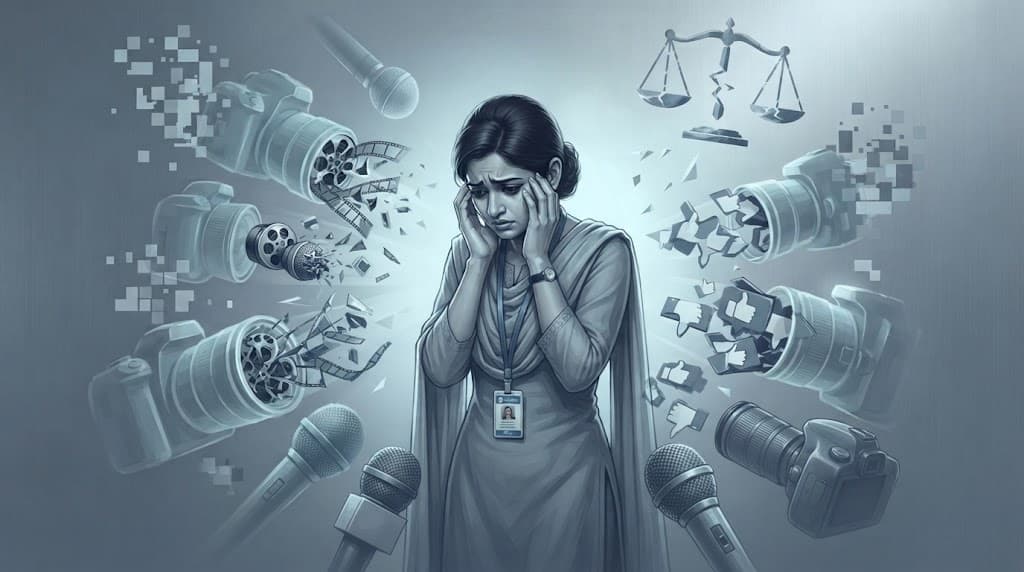
Harassment of Sonali Bank officer: What ethical standards does such kind of journalism meet?
A video showing a young Sonali Bank employee in tears and visibly distressed has gone viral on Facebook. In the video, someone is seen interrogating her in what appears to be a police-style manner. The person is not merely asking questions but also appears to be using leading and coercive language to blame her or pressure her into admitting an allegation.

Effective trade agreements: Why and how?
The most powerful trading nation is flouting the core principles of the multilateral trade arrangement that has been in place under the GATT and now under the World Trade Organization (WTO) for decades. The arbitrary and capricious tariff actions of the Trump Administration violate the core principle of Most Favored Nation (MFN).
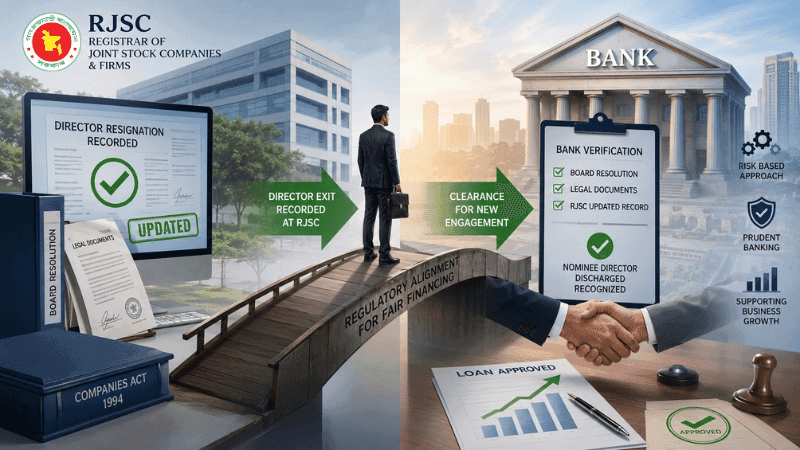
Bridging the regulatory gap: Nominee directors in Bangladesh
A practical inconsistency exists between the procedure followed by the Registrar of Joint Stock Companies and Firms (RJSC) and the banking sector regarding the cessation of nominee directorship in companies classified as loan defaulters.
US chip stocks slide on report of Chinese breakthrough
Several major US semiconductor stocks fell on Wall Street on Monday, following a report of a technological breakthrough that could accelerate the growth of China's computer chip industry.
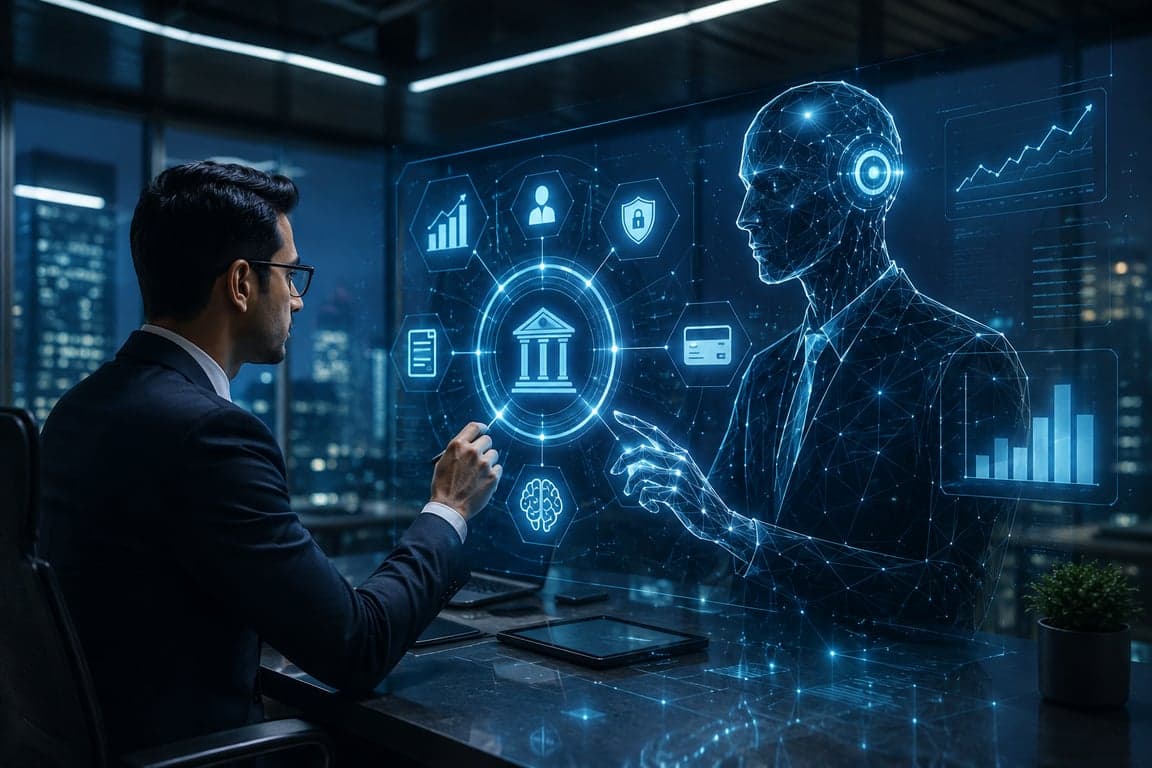
AI era brings new reality for bankers: Failure to upgrade skills may lead to being left behind
The global banking sector is undergoing rapid transformation. Artificial intelligence (AI) is no longer a technology of the future; it has already become an integral part of banks’ day-to-day operations. From loan analysis, fraud detection and customer service to risk management and document processing, the use of AI is expanding across various areas.
ADB cuts Bangladesh's FY2026 GDP growth forecast to 3.7%
The Asian Development Bank (ADB) has lowered Bangladesh's economic growth forecast, projecting the country's gross domestic product (GDP) to expand by 3.7 percent in fiscal year (FY) 2026, down from its previous estimate, reflecting a slower-than-expected economic recovery.

Hundreds of small NGOs under threat due to new MRA conditions
Bangladesh's microfinance regulator, the Microcredit Regulatory Authority (MRA), has been accused of biased behavior. Those concerned claim that after the change of regime on August 5, 2024, the regulatory authorities made appointments to the top positions in the organization breaching the law. Moreover, the conditions those are being imposed in the new policy, will effectively shut down small NGOs and pave the way for the establishment of a monopoly by large institutions. Although, the policy later was decided to be suspended due to the efforts of various stakeholders, no notification has been issued in this regard so far.
BSEC approves Bangladesh’s first 'Orange Bond' worth Tk158.5cr
The Bangladesh Securities and Exchange Commission (BSEC) has approved the issuance of the country’s first “Orange Bond,” valued at Tk 158.5 crore, aimed at promoting women’s empowerment and gender equality through the Sajeda Foundation.
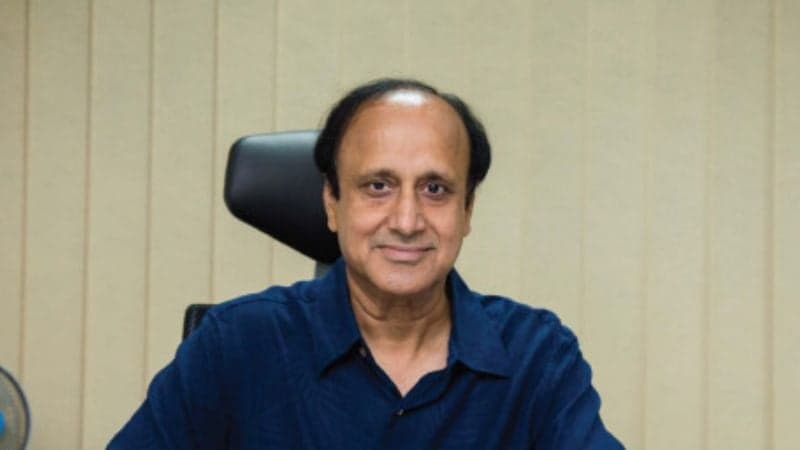
Sadiq Ahmed resigns from Bangladesh Bank Monetary Policy Committee
Economist Sadiq Ahmed has resigned from his position as a member of the Bangladesh Bank Monetary Policy Committee (MPC), officials confirmed on Wednesday (March 4).