

Regulatory Affairs
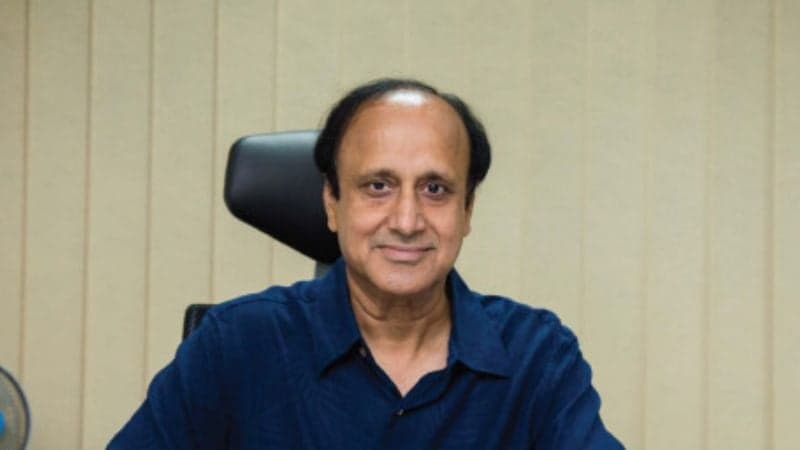
Sadiq Ahmed resigns from Bangladesh Bank Monetary Policy Committee
Economist Sadiq Ahmed has resigned from his position as a member of the Bangladesh Bank Monetary Policy Committee (MPC), officials confirmed on Wednesday (March 4).

BB fixes dollar price at Tk117, increasing by Tk7 in a day, due to IMF pressure
In the context of a dollar crisis continuing in the country for a long time, the Bangladesh Bank has fixed the official price of the dollar at Tk 117 per dollar in order to fulfill the loan conditions of the International Monetary Fund (IMF), according to central bank circular issued on Wednesday (May 8).
IMF further lowers Bangladesh's growth to 5.7%
International Monetary Fund (IMF) again revised down the growth forecast for Bangladesh's economy to 5.7% for the current fiscal year 2023-24.
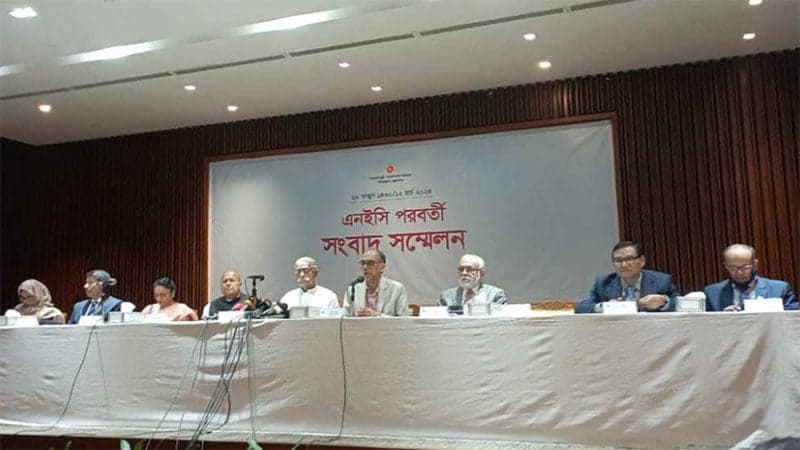
NEC approves RADP worth Tk2,45,000cr
The volume of the Revised Annual Development Programme (RADP) for the current financial year has been reduced by Tk 18,000 crore to Tk 2,45,000 crore. The original ADP was worth Tk 2,63,000 crore.
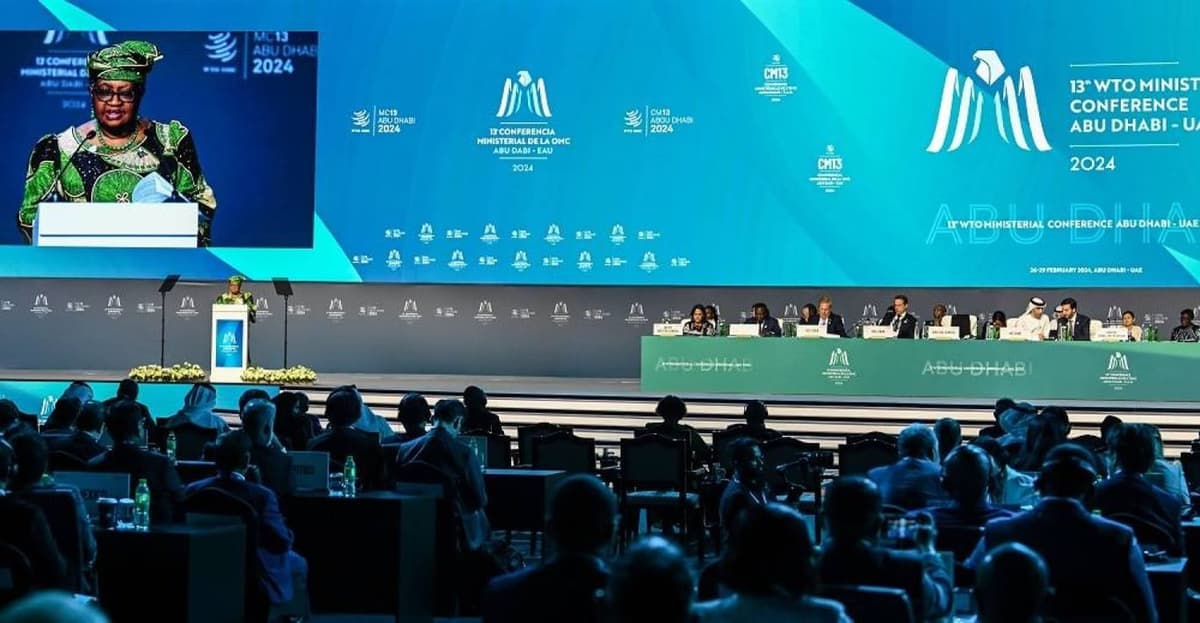
Bangladesh to enjoy tariff benefits for 3 years even after LDC graduation
At the conference held in Abu Dhabi, the ministers of the WTO member countries agreed to maintain the trade privileges enjoyed by the LDCs even after gaining the status of ‘developing countries’.
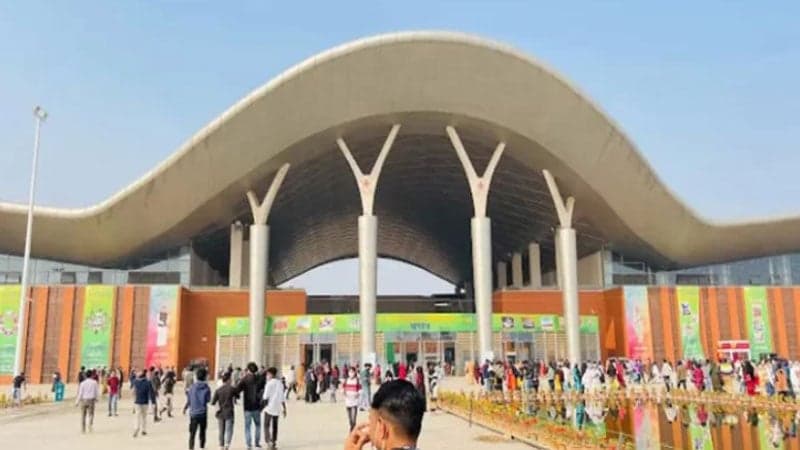
DITF-2024 fetches export order worth Tk 392cr
The export order and volume of sales have increased in the Dhaka International Trade Fair -2024 as the export orders fetched worth Taka 391.82 crore while the volume of cash sales reached around Taka 400 crore.
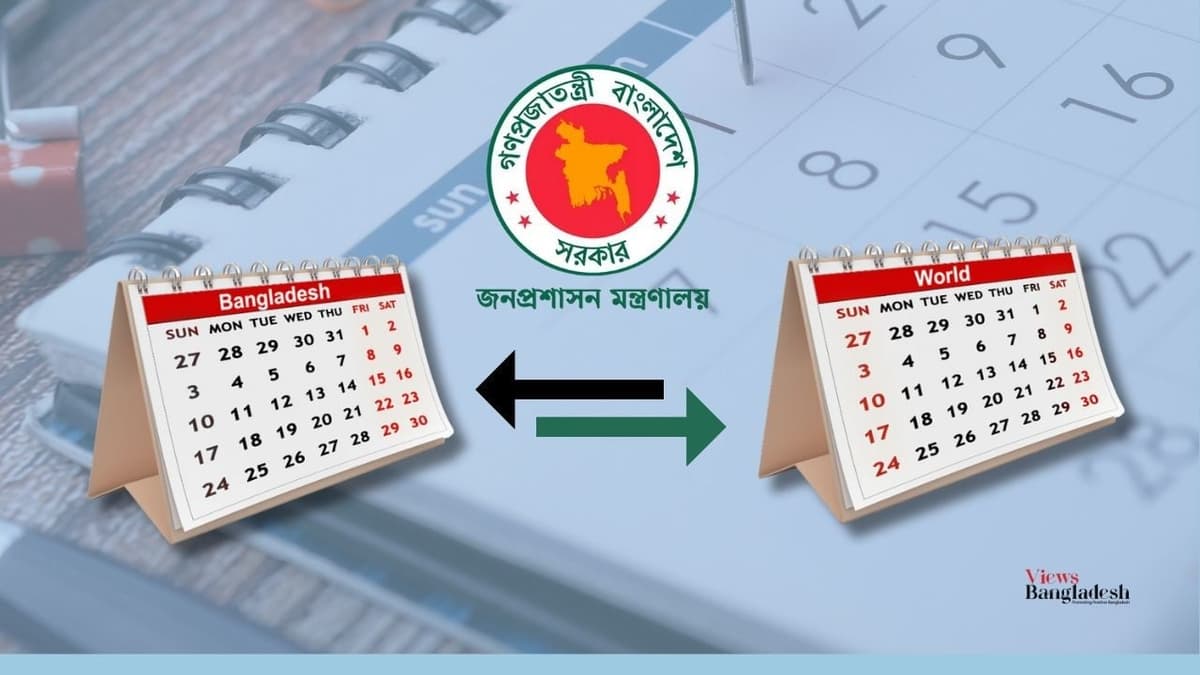
Inconsistency in weekly holidays creates problem in global trade
Bangladesh has been facing many problems in international trade for a long time. Particularly in international trade, Bangladesh has incurred significant deficits, which cannot be overlooked. In a developing country like Bangladesh, trade deficits are inevitable. The disparity between imports and exports in international trade constitutes the trade deficit. Bangladesh will inevitably face trade deficits in international trade. This is because our imports consistently exceed exports by a considerable margin each year. As a result, the trade balance is naturally tilting against us.
Reducing inflation is much more difficult than controlling protests
According to the Awami League general secretary, reducing inflation is more important for the new government than focusing on the opposition movement; but reducing inflation is much more difficult than controlling protests. The government and the Bangladesh Bank are not following Sri Lanka's path to reduce inflation, as discussed extensively in various knowledgeable discussions in prominent newspapers and talk shows. Listening to these discussions, it seems that bring inflation down is very easy; we just need to implement the suggestions of economists and talk show experts.

Rural development: Strides forward and pitfalls of discrimination
A gradual transformation has been silently occurring in the rural economy for quite some time now. Upon observation, it becomes evident that the agriculture sector's contribution to the GDP is steadily declining, at least in terms of GDP production. Some sources claim that the current contribution of the agriculture sector to the GDP is merely 14 percent, while others argue that it may reach a maximum of 18 percent. Without delving into the ongoing debate regarding the precise percentage of the agriculture sector's contribution to the GDP, it is undeniable that its significance is diminishing.
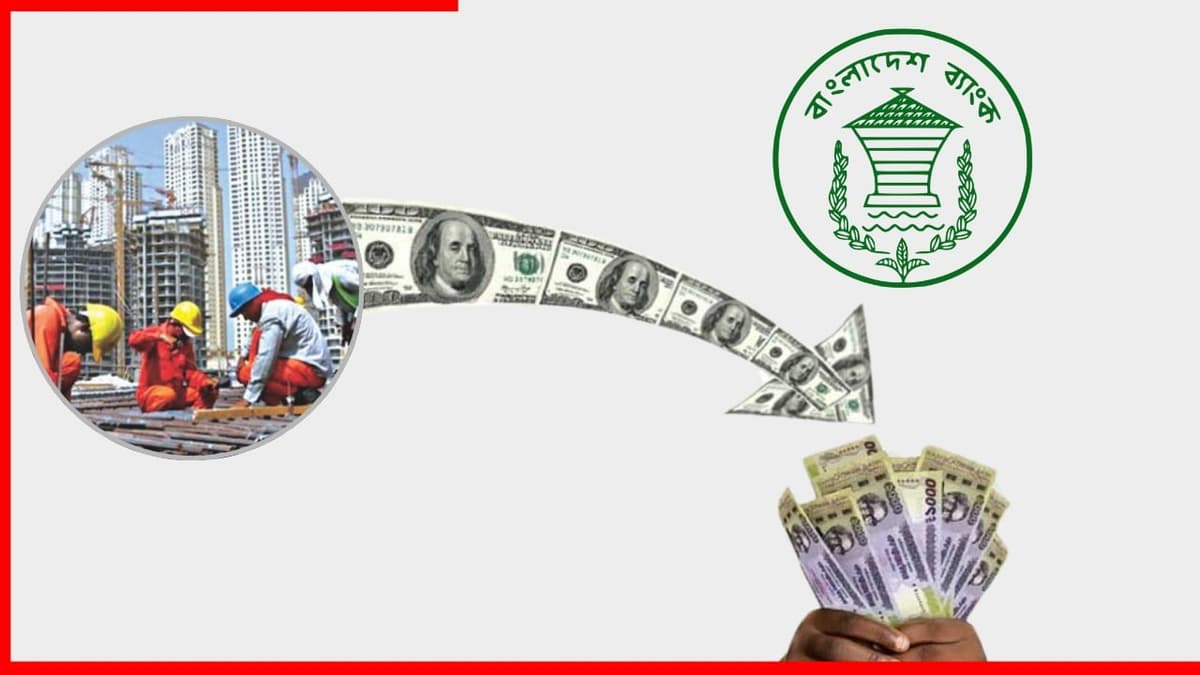
Why are remittances earned by expatriates not contributing to investments?
In the economic landscape of Bangladesh, the Manpower export sector has played an extremely significant role. Primarily, mass migration for employment has been initiated since the seventies of the last century, and it has continued on a large scale. Especially in the countries of the Middle East, the initiation of manpower export took place from Bangladesh. Subsequently, this sector rapidly expanded.