

Special Content
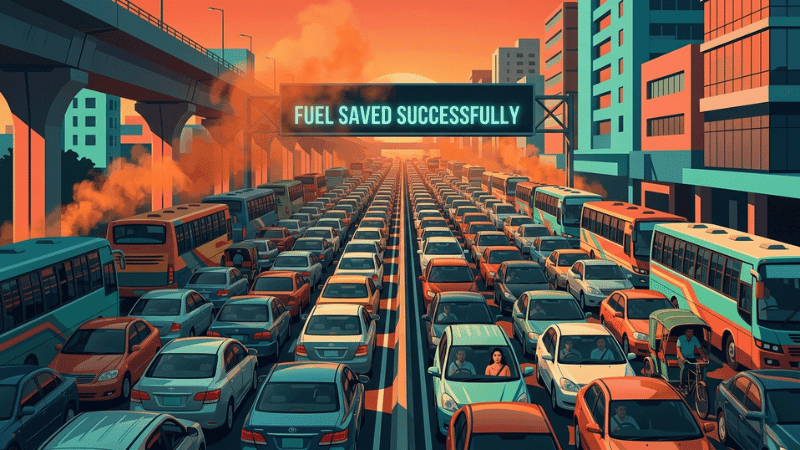
Complex equation of shortening office hours: Naive triangular thinking
Whenever news of a supposedly 'groundbreaking' decision emerges from the inner circles of the country’s policymakers, ordinary people like us spend half the day trying to figure out whether we should feel delighted or simply sit with our hands on our heads in confusion.
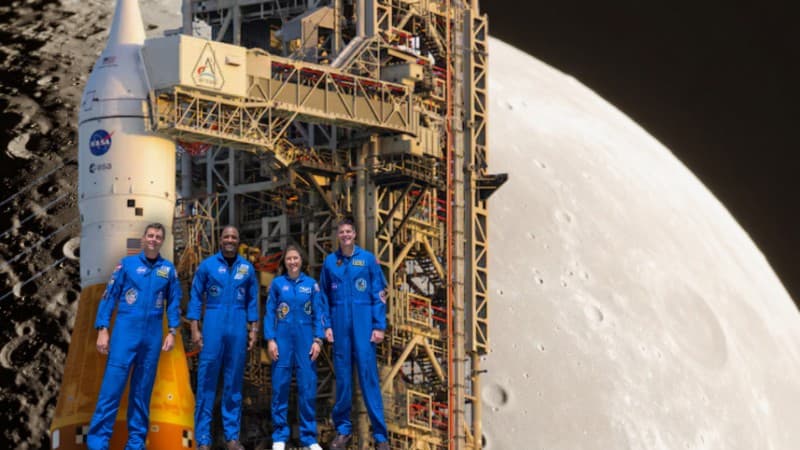
NASA’s Artemis II: Why humans are returning to the Moon after 53 years
After more than five decades, NASA has launched its Artemis II mission, sending humans back towards the Moon. The four‑astronaut crew lifted off aboard the Orion spacecraft, beginning a 10‑day journey that will take them around the lunar far side and back to Earth.
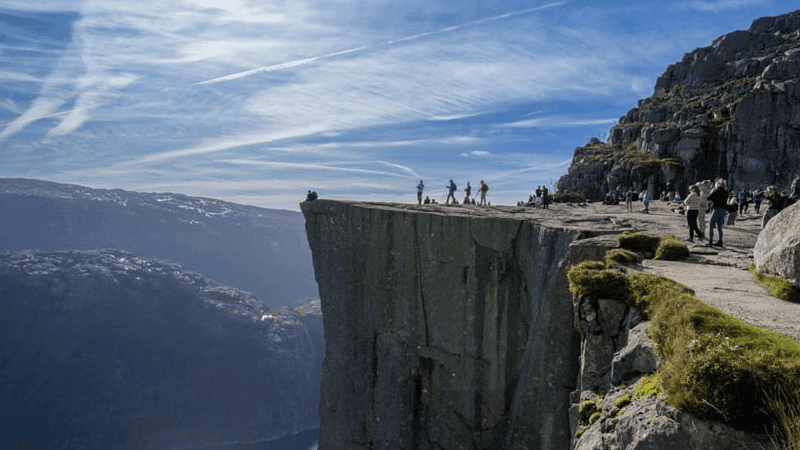
Pulpit Rock: Standing here feels like the end of the world
Imagine standing on a flat rock nearly 1,982 feet (604 metres) above sea level, with no railings or safety barriers around you. In front of you lie endless mountains, and beneath your feet is a blue fjord. Norway's Preikestolen, or Pulpit Rock, is precisely such a spine-chilling location, known to travellers worldwide as the 'end of the world'.
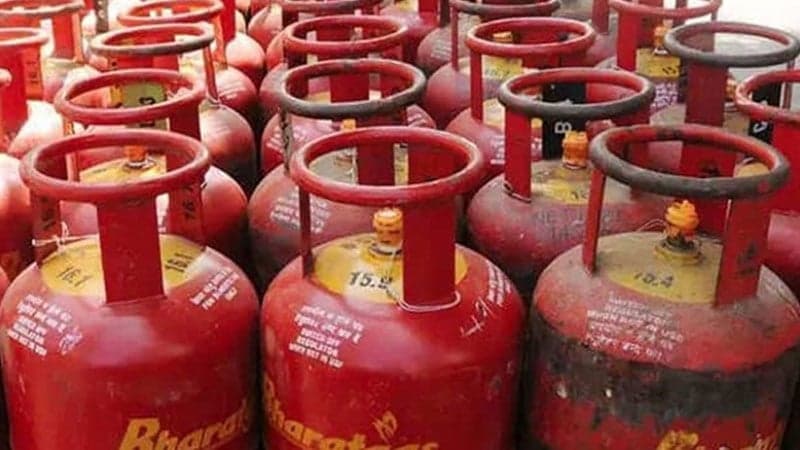
LPG prices spiral out of control in Bogura
Khokon runs a small tea shop. He somehow manages his family with the income from that shop. Economic tensions are his daily companion.
Govt adopts 7-point strategy to cope with global energy crisis
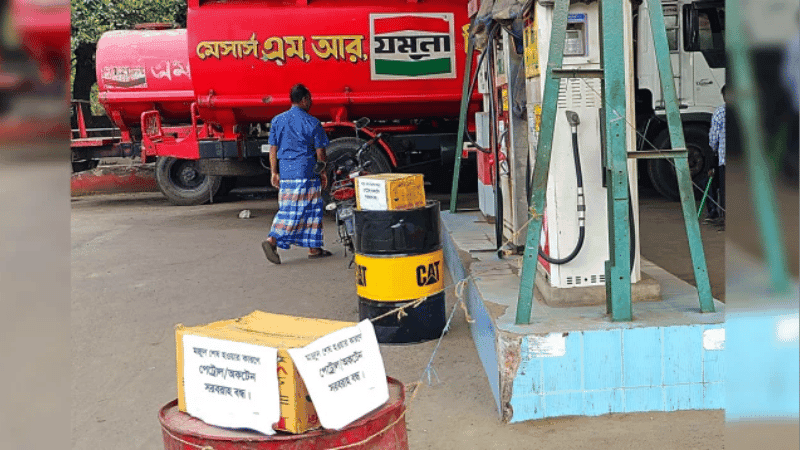
Bangladesh may be one of the countries affected by the global energy crisis, says a report in the Telegraph. The impact of this situation is already clear in Dhaka. People have to stand in lines for hours at petrol pumps, educational institutions have been advised to limit activities, and government officials have been given restrictions on electricity use during the day. Public transport in the capital has reduced, delivery workers are sitting. The report says that normal life in the capital has almost come to a standstill.
Why shortage hits country hard as petrol, octane produced locally
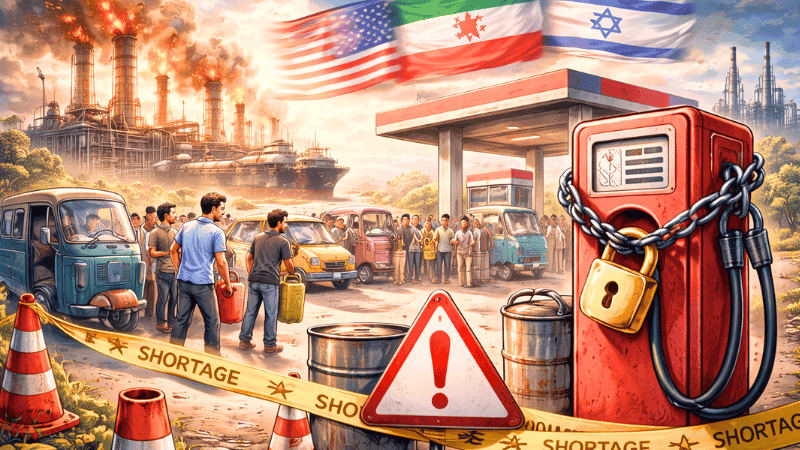
The demand for fuel oil in Bangladesh is constantly increasing, and behind this increase in demand is the impact of industrialization, rapid expansion of the transport sector, and urbanization. Despite the country's capacity to produce petrol and octane, most pumps are experiencing a severe crisis. Such a turbulent situation of petrol and octane is a matter of surprise to many. However, in reality, this crisis is not only the result of internal problems, but is also deeply related to global politics, especially the ongoing war between Iran and the United States and Israel.
Measles outbreak nationwide: 676 children infected, 38 dead
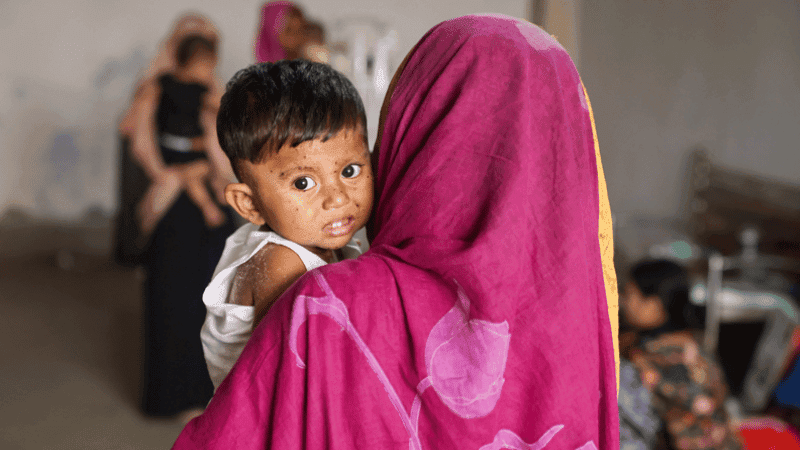
Bangladesh is facing a growing measles outbreak, with 676 children hospitalised and 38 reported deaths this year, according to a special source at the Directorate General of Health Services (DGHS).
Measles disaster in Rajshahi: Bureaucratic stagnation or structural violence
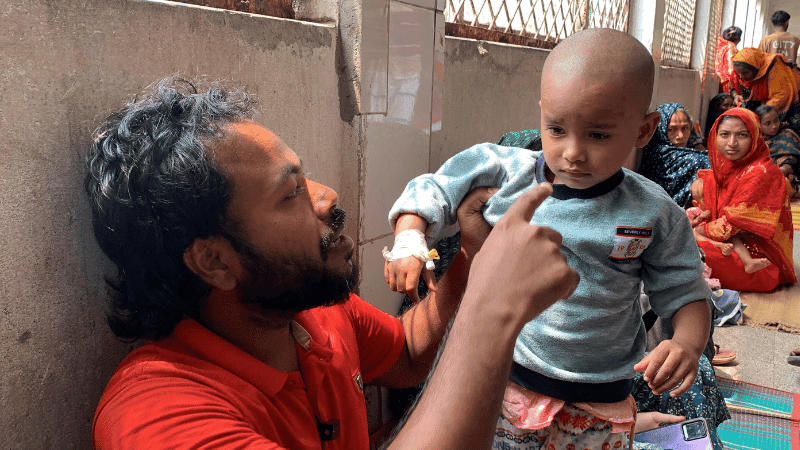
Measles — medically defined, it is a highly contagious virus that is entirely preventable. However, in the current context of Rajshahi, this term has transcended its clinical meaning — it has evolved into a testament to systematic administrative failure. Over the past month and a half, more than 53 children have succumbed to complications from the disease at Rajshahi Medical College (RMC) Hospital. Reports from the state-run news agency BSS and major media outlets indicate that 44 lives have been lost to measles within a mere two weeks. Furthermore, in the 48 hours leading up to the completion of this article, three more innocent children have tragically passed away while waiting in lengthy ICU queues.
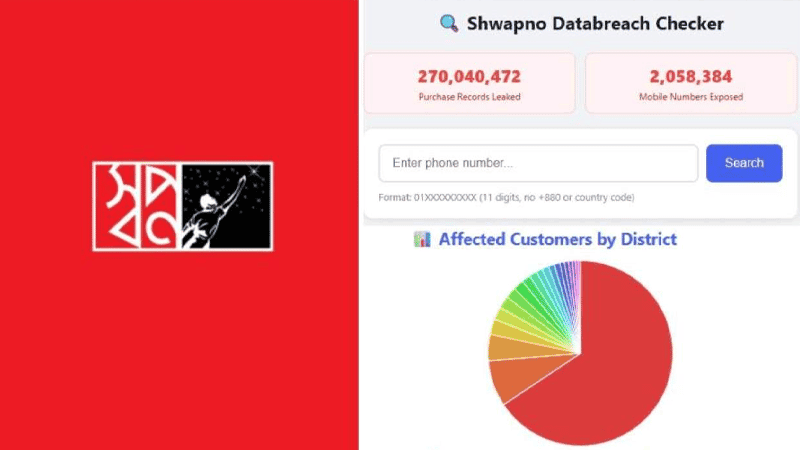
Shwapno data breach: A wake‑up call for businesses
The recent disclosure of a massive data breach at Shwapno, Bangladesh’s largest supermarket chain, raises serious questions about corporate responsibility, regulatory oversight, and the adequacy of current cybersecurity practices in the country’s private sector. With over 4 million registered customers and 812 outlets across 63 districts, Shwapno holds one of the largest consumer datasets in the country. Such scale inherently carries a duty of care.
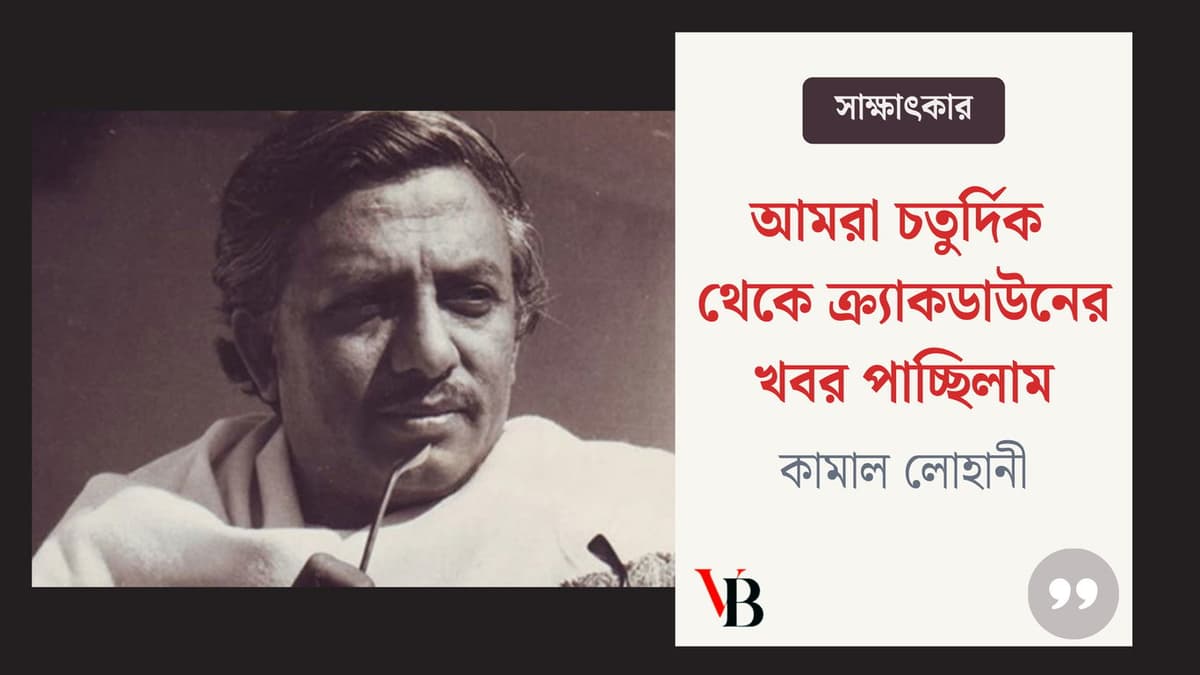
Youths tried to stop tanks by cutting down trees, placing dustbins on the roads : Kamal Lohani
Kamal Lohani’s full name was Abu Nayeem Mohammad Mostafa Kamal Khan Lohani. He was a renowned journalist, cultural activist, and political figure in Bangladesh. Lohani began his career in journalism with the newspaper Dainik Millat. Later he joined Sangbad, where he initially worked as a senior sub-editor and was later promoted to shift-in-charge.