
Health
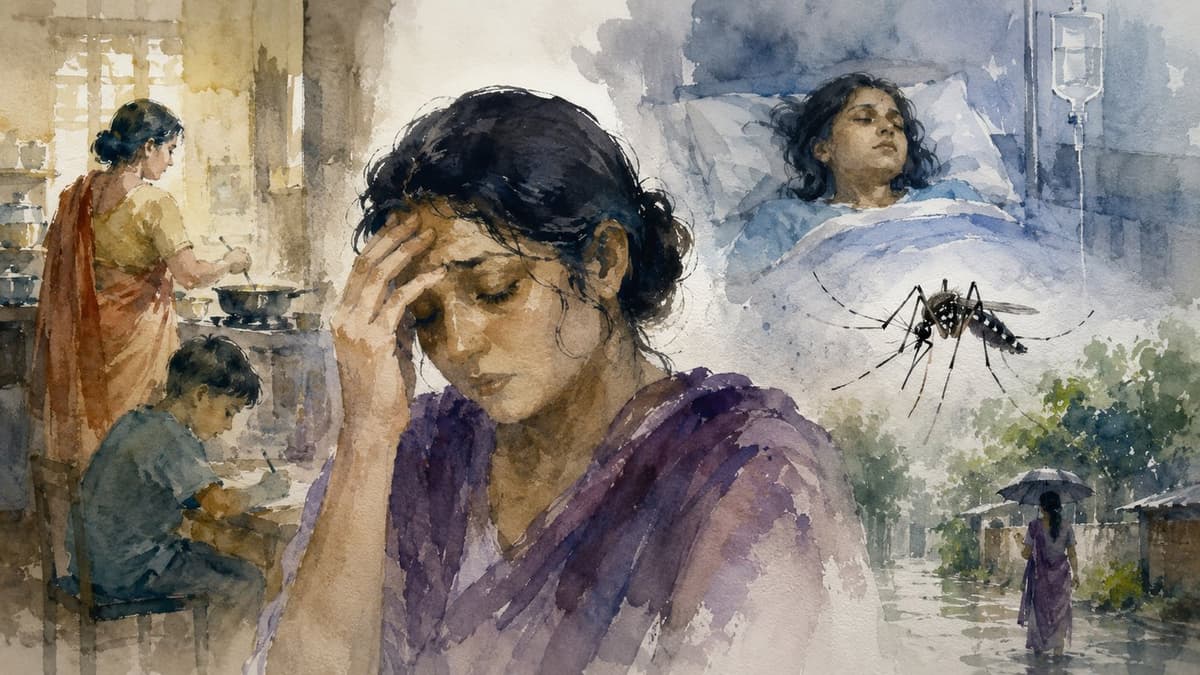
Women are dying of dengue at higher rates — no one knows why
Every afternoon, the Directorate General of Health Services (DGHS) sends out a bulletin. The media runs it as routine. Amid a thousand other national crises, what is actually happening with dengue rarely stirs readers — or makes them think twice.
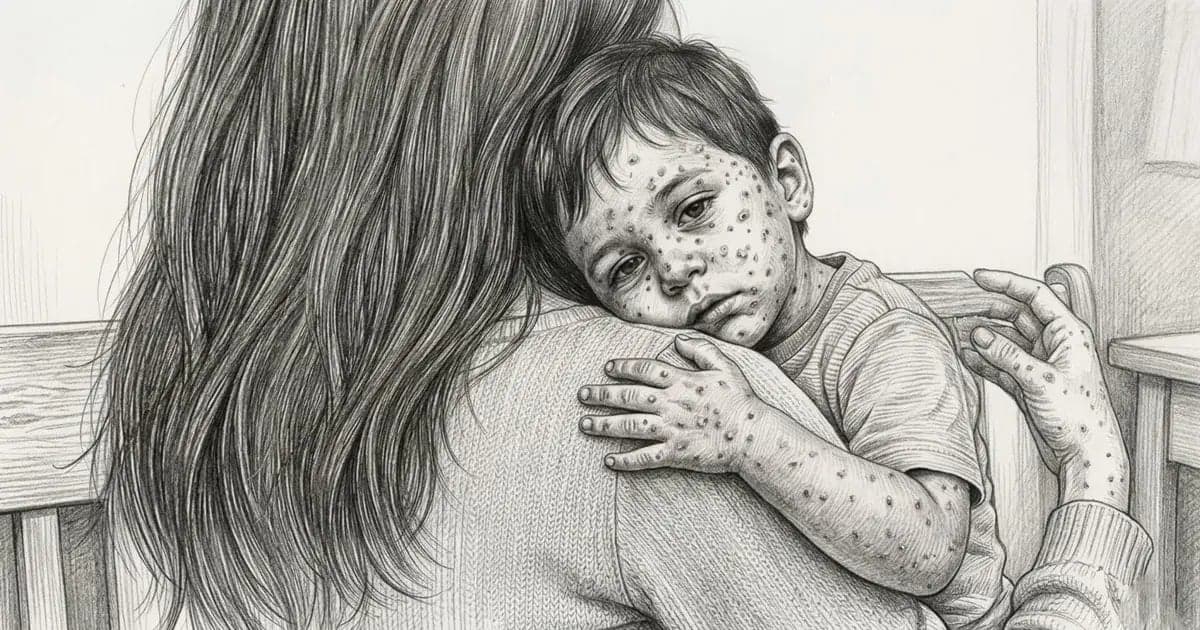
Measles outbreak: Just negligence or a wake-up call?
We thought we had beaten this enemy for good. After polio and tetanus, we had nearly said goodbye to measles too and were feeling proud about it. Nobody expected it to quietly come back and hit us this hard. Working in social development at an NGO, I follow field-level news every day sometimes it fills me with hope, sometimes with deep sadness. When I read in the newspapers that over 700 children have died from measles or measles-like illness, and nearly one lakh children are affected, my heart sinks. For those of us who work for children's health and rights, this is not just worrying it is truly frightening.

Children trapped in screens: Urban childhood and autism awareness
Today is April 2 — World Autism Awareness Day. Every year on this day, we discuss the rights of people with autism and their inclusion in society. But alongside autism awareness, there is another serious problem we must pay attention to — the harmful effects of today's "urban childhood" and device-dependent lifestyle on children. It is time for science-based research on how excessive screen use is blocking children's normal development and making autism-like symptoms worse.
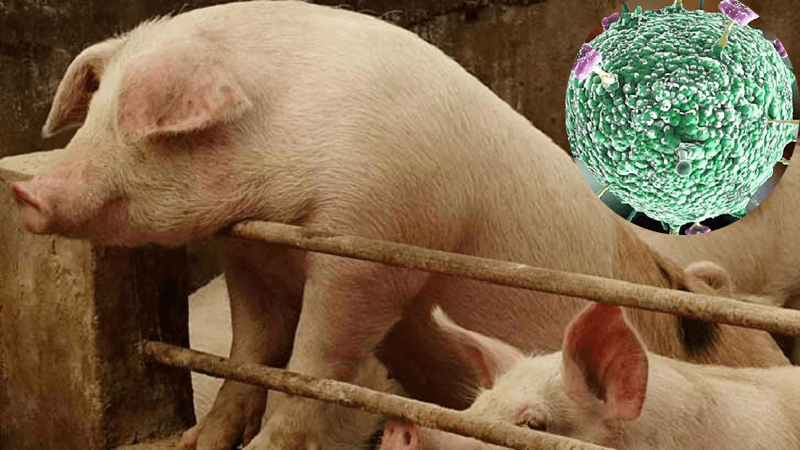
Nipah virus first spread to humans through pigs
Professor Dr Mohammad Shoaib has said that the Nipah virus initially spread to humans through pigs after originating in fruit bats. He explained that the virus is transmitted from bats to pigs and then to humans, particularly among those who come into close contact with infected pigs during farming, slaughtering or transportation without adequate protection.

Child rights and national drowning prevention strategy: Time to turn policy into action
Every day in Bangladesh, more than 52 people drown, and nearly 40 of them are children. These are not just numbers; they are names, faces, and dreams that end too soon. Behind every statistic lies a family’s grief and a preventable tragedy.

Bangladesh’s healthcare crisis: Unchecked practice endangers lives
Ensuring the quality of healthcare in Bangladesh is crucial, and one of the key factors is the evaluation of doctors’ qualifications and skills. Medicine is constantly evolving, new diseases emerge, and modern medical practices open new possibilities globally. However, in Bangladesh, once a doctor obtains an MBBS or specialized degree, they can practice medicine for life without any mandatory skills evaluation. As a result, many doctors fail to keep up with the times and continue to follow outdated medical practices, which not only pose risks to patients but also threaten the overall quality of healthcare.
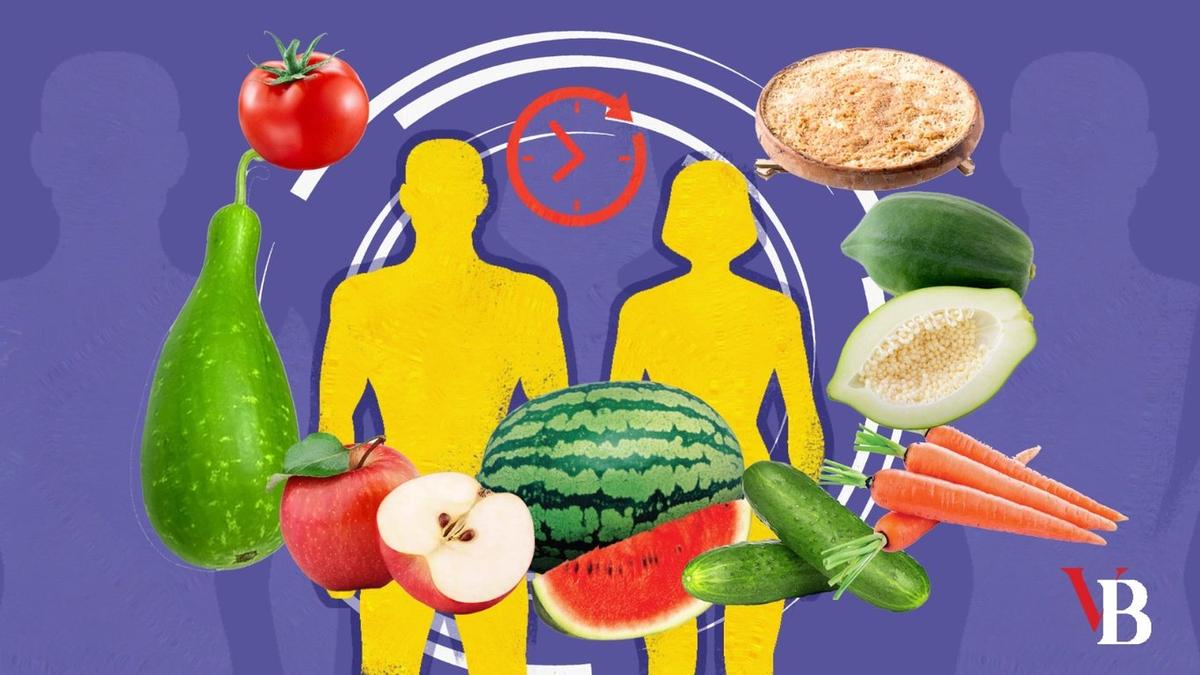
Foods that keep body fresh in summer
Summer has arrived, and temperatures are rising. To protect the body from heat, it is essential to stay in a cool environment and consume foods that help keep the body refreshed.
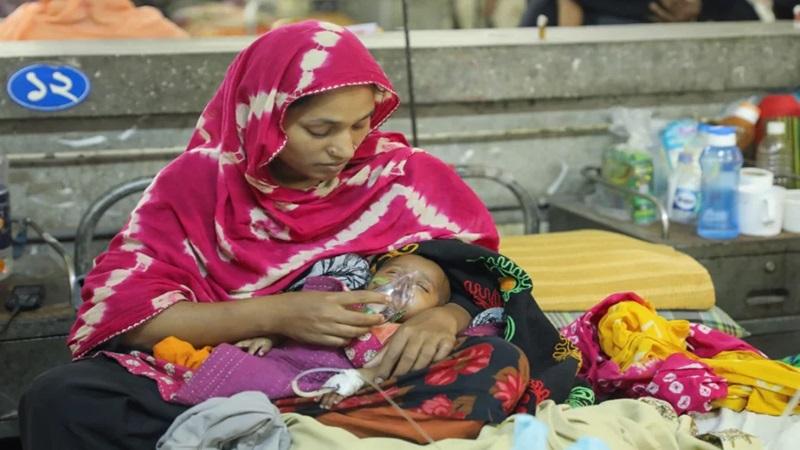
Cold diseases hit children hard this winter
Winter has been gripping the entire country, including the capital Dhaka, since the beginning of Bengali month Paush. As a result, children and the elderly are being hit hard by cold-related diseases. According to doctors, children are suffering from various diseases including diarrhea, fever, sneezing, cough, and respiratory problems in winter.
Bangladesh to stop receiving vaccine donations after 2029: EPI
Due to its transition from a low-income country to a lower-middle-income country, Bangladesh will no longer receive vaccine donations after 2029. According to the Expanded Program on Immunization (EPI), the country will continue to receive international donations for various vaccines until 2029. However, starting in 2030, the government will have to procure all vaccines from its own budget.
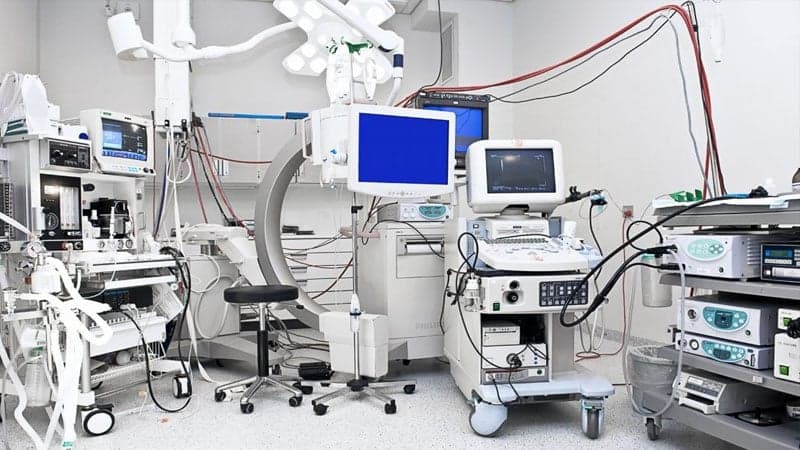
Medical equipment industry fears setback in recent progress
In 2022, after over two decades of effort, the medical equipment sector in Bangladesh was finally recognized as an emerging industry by the government. This recognition raised hopes for industry leaders that they might receive supportive tax structures and other benefits to encourage local production and protect domestic manufacturers.