
Dengue cases cross 10,000 in August as infections spread beyond Dhaka
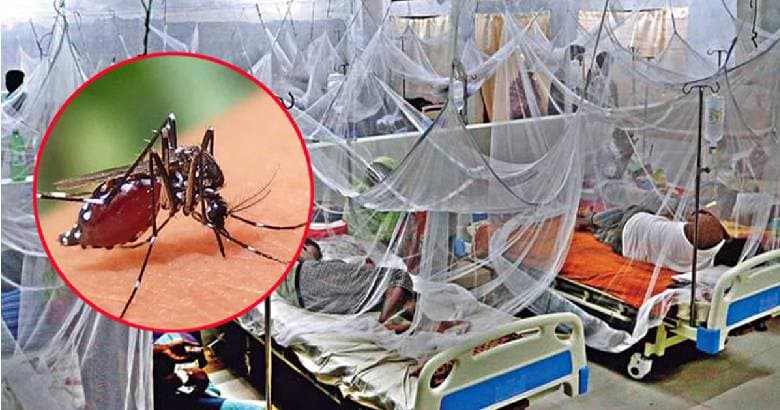

Dengue infections are rising sharply across the country, with more than 10,000 patients hospitalised in August alone through August 19, surpassing the total recorded throughout July, according to Directorate General of Health Services (DGHS) data.
More than 25,000 dengue patients have been hospitalised since the beginning of the year, while the disease has claimed more than 70 lives during the same period, the DGHS daily surveillance data show.
The latest figures also point to a broader geographic spread of dengue beyond the capital. Several districts outside Dhaka are reporting substantial numbers of infections, with Khulna, Chattogram, Pirojpur, Mymensingh and Gazipur among the worst affected.
Khulna has recorded the highest number of dengue cases outside Dhaka this year, with more than 1,600 infections and 14 deaths. Chattogram has reported 1,391 cases and three deaths, while Pirojpur has recorded more than 1,200 cases.
Mymensingh has seen 924 patients hospitalised, with six deaths, while Gazipur has reported 720 cases but no dengue-related deaths so far.
Public health experts say the rise is closely linked to the monsoon, when stagnant rainwater creates breeding grounds for Aedes mosquitoes. Higher concentrations of Aedes larvae have also been detected in several coastal areas.
Experts point to stagnant water in household containers, dense settlements, poor sanitation, inadequate drainage and weak waste management as major factors contributing to the spread.
Entomologists say Aedes aegypti, the principal vector of dengue, typically breeds in stagnant water collected in artificial containers in urban areas. Aedes albopictus can also contribute to transmission in greener areas, meaning dengue should no longer be viewed solely as a problem of Dhaka or major cities.
With the monsoon still underway, health experts are concerned that infections could rise further in the coming weeks. They are calling for intensified efforts to eliminate mosquito breeding sites while ensuring early detection and timely treatment of patients.
Leave A Comment