

Ganges Treaty: Bangladesh-India JRC meeting to begin today
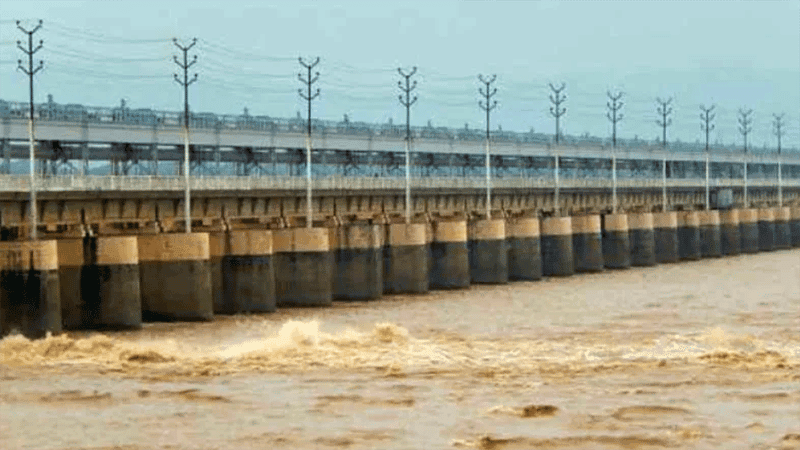

The 90th meeting of the Bangladesh-India Joint River Commission (JRC) begins today in Kolkata with the renewal of the Ganges Water Sharing Treaty expected to dominate discussions.
Formal talks of the three-day meeting start on Thursday (May 21) and will continue until Saturday. A six-member Bangladeshi delegation reached Kolkata on Wednesday to attend the meeting.
The Bangladesh delegation is led by Mohammad Anwar Kabir, a member of the Bangladesh Joint River Commission. The team also includes Mohammad Baki Billah, Director of the South Asia Wing at the Ministry of Foreign Affairs.
Two Bangladeshi diplomats are also taking part in the discussions — Mohammad Alamgir Hossain, Counsellor (Political) at the Bangladesh High Commission in New Delhi, and Mohammad Omar Farooq Akand, Second Secretary (Political) at the Bangladesh Deputy High Commission in Kolkata.
The Indian delegation is being led by a Joint Secretary from India’s Ministry of Water Resources and a Chief Engineer from the West Bengal Irrigation Department.
The key focus of the meeting is the renewal of the 1996 Ganges Water Sharing Treaty, which is set to expire on December 31 this year. This is the final JRC meeting before the agreement’s expiry.
As part of the programme, the Bangladeshi delegation will visit Murshidabad on Thursday and travel to Farakka to observe and measure water flow in the Ganges. The delegation will return to Kolkata on Friday, where formal sessions will be held at a hotel on Friday and Saturday.
The Ganges Water Sharing Treaty was signed on December 12, 1996, for a 30-year term. The agreement outlines how water from the Ganges is shared between Bangladesh and India during the dry season from January to May.
Under the treaty, if the Ganges water flow exceeds 75,000 cusecs, India receives 40,000 cusecs and Bangladesh gets the remaining volume.
If the flow remains between 70,000 and 75,000 cusecs, Bangladesh receives 40,000 cusecs while India gets the rest.
When the flow falls to 70,000 cusecs or below, both countries share the water equally.
Leave A Comment
You need login first to leave a comment