
If we debate over who owns July, no one will have it: Home Minister
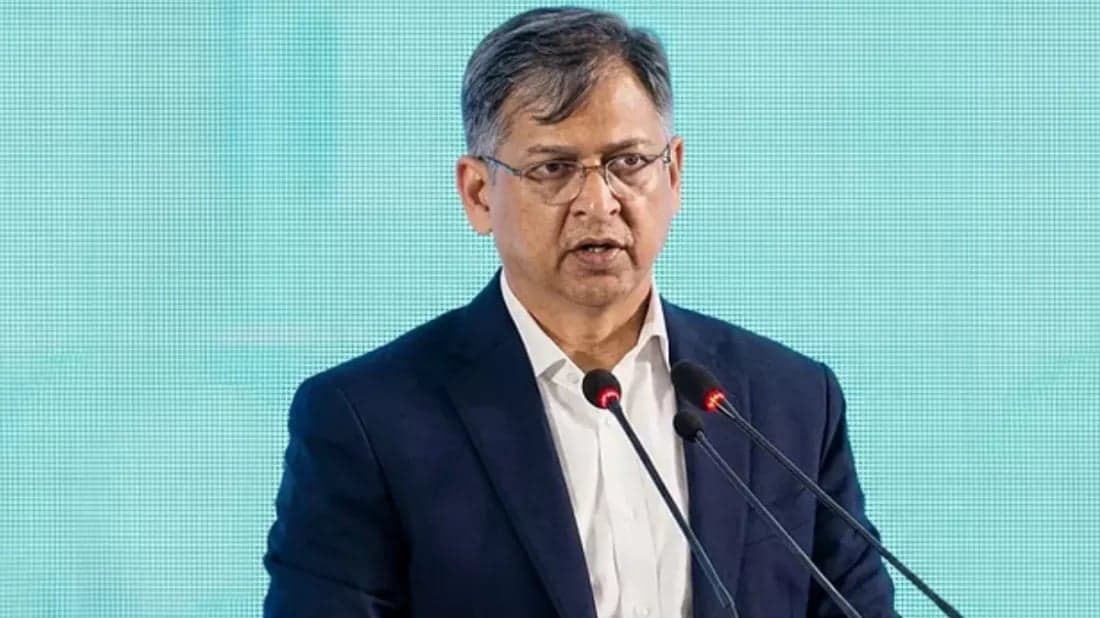

Home Minister Salahuddin Ahmed has urged against creating divisions over the credit for the July mass uprising. He said July is not the achievement of any single individual or party; the success of the mass uprising came as a result of a long sequence of movements, enforced disappearances, killings, repression and sacrifices.
He made the remarks at a reception for the families of those martyred in the July mass uprising and July fighters, held at the Bangladesh-China Friendship Conference Centre in the capital on Wednesday, August 5.
The Home Minister said, "After freeing ourselves from the clutches of such an autocrat, if we start debating over who owns July, then July will not belong to any of us. We must free ourselves from this situation."
He said many nations in the world have struggled for a hundred years for independence but have not achieved it. Sometimes, a century's change takes place within just a few days or weeks. The July mass uprising was also such a historic transformation. Therefore, instead of politicising this achievement, everyone must work together to realise its core aspirations.
Sharing his own experience of enforced disappearance, Salahuddin Ahmed said opposition political leaders and activists had long been victims of disappearances, killings, attacks and lawsuits. He said Mir Kashem Ali had told him that if he did not return to the country, his son would be taken away. Ultimately, he himself was arrested and his son was also detained. He described this as the "burning history" of autocratic rule.
The Home Minister said this was not a movement of a single day. Excluding the continuity of movements and struggles from 2009 to 2024 and only looking at the 36 days of July would not reveal the full history of the mass uprising.
He further said the path to democratic movement had long been blocked, which made the movement bloody. Leaders and activists of BNP, Chhatra Dal, Jubo Dal and various other political parties, along with countless families, suffered losses during this period.
The Home Minister said many like Elias Ali were disappeared and never returned. Excluding these sacrifices and only looking at the 36 days of July would not reveal the true history of the movement. He said whether a movement is non-violent or violent is not decided by ordinary people or any individual. When a movement is not allowed to proceed through proper, democratic channels, it becomes violent and bloody. In Bangladesh, due to long-term repression, the July movement became bloody.
He also mentioned BNP Chairperson Khaleda Zia's long political struggle and sacrifices. He said from 2009 to 2024, in the continuity of the anti-fascist movement, Khaleda Zia made sacrifices, lost a son, and remained in an uncompromising position even without access to proper medical treatment.
Vowing to implement every commitment of the July National Charter, the Home Minister said constitutional amendments are essential to implement necessary reforms. To this end, consensus among political parties is needed, and he called on everyone to participate in the amendment process.
Leave A Comment