
Massive power plant dues unpaid, severe load-shedding likely during Ramadan
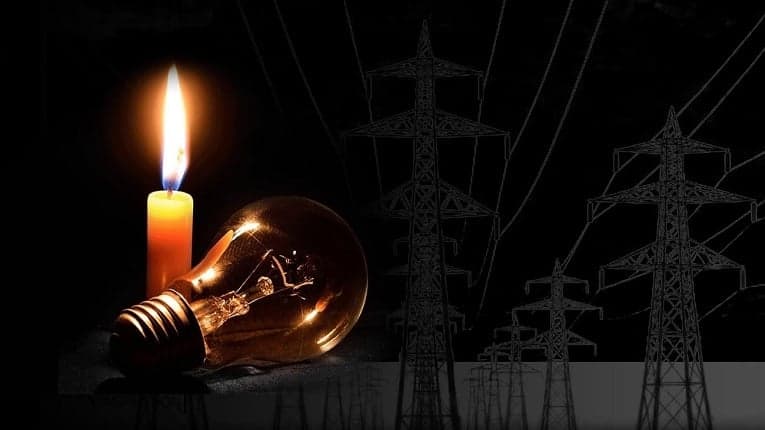

Furnace oil-based power generation companies are owed nearly Tk 14,000 crore by the Bangladesh Power Development Board.
Power plant owners have warned that failure to clear outstanding dues promptly could lead to severe load-shedding during the upcoming Ramadan and summer due to fuel shortages. They have urged the authorities to pay at least 60 percent of the arrears before Ramadan.
The Bangladesh Independent Power Producers’ Association disclosed the information at a press conference held at a hotel in the capital on Monday, February 9.
BIPPA president David Hasnat, former president Imran Karim, and directors Navidul Haq and Faisal Ahmed Chowdhury were present.
David Hasnat said that just a year ago, dues owed to oil-based power plants stood at Tk 9,000 crore, but have now risen to Tk 14,000 crore. He said power companies are often criticised as being aligned with the Awami League, yet many owners were arrested just before August 5 over alleged involvement in student-led movements.
He warned that if bills are not paid under the new government, power supply may not be possible, leading to a serious electricity crisis.
Former BIPPA president Imran Karim said the interim government is leaving behind unpaid domestic power bills for eight to ten months while continuing to pay foreign companies on time.
He said the failure to pay Tk 14,000 crore in dues has pushed many local companies to the brink of bankruptcy. He also criticised BPDB’s move to deduct Tk 8,000 crore as penalties from several companies over old issues, calling it a discriminatory and destructive step.
He alleged that while Chinese coal-based Barishal power plant received capacity charges despite failing to supply power on time, domestic companies were unfairly penalised. Such actions, he warned, could threaten both local and foreign investment.
Under power purchase agreements, power plants have the legal right to suspend supply if BPDB fails to pay bills within the stipulated time. However, local producers have continued supplying electricity by borrowing from banks in the national interest despite massive arrears.
Leave A Comment
You need login first to leave a comment