
Menstrual disorders affect 64% of rural girls: Study
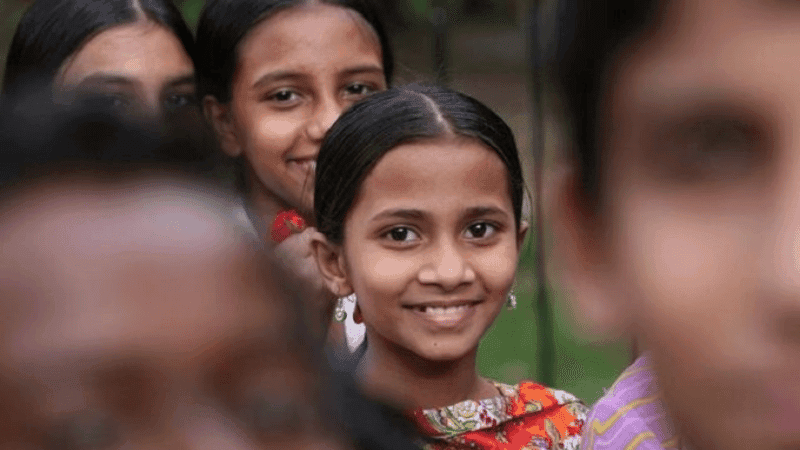

For millions of Bangladeshi girls, menstruation is not merely a monthly biological process. It is pain severe enough to keep them out of classrooms, disrupt daily life and, in many cases, go untreated.
A new study by icddr,b has found that nearly two in three adolescent girls in rural Bangladesh suffer from menstrual disorders, exposing a largely hidden health burden that experts say is undermining education, wellbeing and future reproductive health.
The findings, released on Thursday, paint a troubling picture of adolescent health in Bangladesh.
The study found that 64% of girls aged 12 to 16 experienced at least one menstrual disorder, while more than half suffered from painful periods.
Most alarmingly, nearly 40% said menstrual pain interfered with their daily activities and around one in four missed school because of period pain or heavy bleeding.
The findings come at a time when Bangladesh is struggling to improve adolescent health outcomes and reduce child marriage, early pregnancy and school dropout rates among girls.
The data were drawn from AdSEARCH, a 24-month cohort study conducted by icddr,b between 2023 and 2025 involving 2,713 adolescents from Baliakandi in Rajbari district.
Researchers tracked participants every four months to understand emerging health challenges among adolescents.
Among 1,255 girls aged 12-16, painful menstruation, known medically as dysmenorrhoea, emerged as the most common problem, affecting 56% of participants.
One-third reported recurrent pain across multiple menstrual cycles, while 9% experienced persistent menstrual pain.
Researchers warned that menstrual health remains an overlooked public health issue despite its direct impact on education and quality of life.
The study also uncovered significant gaps in sexual and reproductive health knowledge among adolescents, particularly among girls.
Among 1,077 unmarried adolescents surveyed, more than one-third of boys did not know that pregnancy becomes possible after menstruation begins.
Knowledge of family planning methods was also limited.
While 84% of boys had heard of condoms, only 45% of girls were aware of them.
Awareness of emergency contraceptive pills was even lower, with just 4% of girls reporting knowledge of the method.
Researchers found evidence that such knowledge gaps may have lasting consequences.
Girls who were aware of family planning methods before marriage were about half as likely to experience unplanned pregnancies as those who lacked such knowledge.
During the study period, nearly 200 adolescent girls were married and 72 became pregnant.
Health experts attending the dissemination seminar in Dhaka warned that inadequate menstrual health support, poor reproductive health education and persistent social stigma continue to place adolescent girls at risk.
Professor Dr Farhana Dewan, former president of the Obstetrical and Gynaecological Society of Bangladesh, called for greater attention to menstrual health, particularly in rural communities where discussion of menstruation often remains taboo.
Other experts stressed the need to provide reproductive health information before marriage, strengthen adolescent-friendly health services and improve school-based education programs.
The findings also highlighted a growing gap between the health needs of adolescents and the services available to them.
Researchers said stronger investment in menstrual health support, reproductive health education and adolescent-focused healthcare will be critical if Bangladesh hopes to improve outcomes for the country's largest generation of young people.
For many girls, they argue, the challenge is no longer simply reaching school.
It is staying there while managing a health issue that remains largely invisible.
Leave A Comment