

Over 100 million in Bangladesh lack safe drinking water: UNICEF-BBS survey
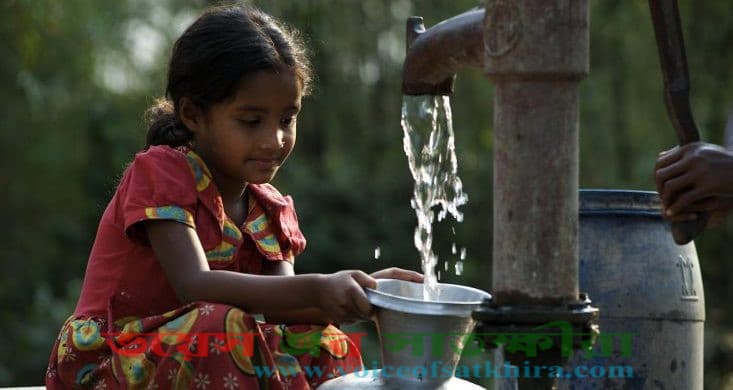

More than 100 million people in Bangladesh still lack access to safe drinking water, putting children's health and future at constant risk. This information emerged from preliminary findings of a joint survey by UNICEF and the Bangladesh Bureau of Statistics (BBS). According to a report published last November, access to safe water in the country has alarmingly declined.
According to UNICEF data, while sanitation coverage has increased to 73 per cent, access to safely managed drinking water has dropped to 39.3 per cent. Consequently, a vast number of people are forced to use unsafe water.
Against this backdrop, World Water Day is being observed today, March 22. This year's theme is 'Water and Gender Equality', highlighting the interrelationship between water, sanitation and gender equality in ensuring sustainable development and human rights.
The theme emphasises the right to clean water and sanitation as a fundamental human right. It also calls for strengthening women and girls' participation, leadership and decision-making roles in water management.
According to the survey, nearly half of the country's water sources are contaminated. Over 80 per cent of household water samples tested positive for E. coli bacteria. In 2024, 10.2 per cent of water sources were damaged due to climate disasters, further complicating the situation.
Experts say climate change-induced sea level rise is increasing salinity in groundwater. Additionally, local activities such as shrimp farming and salt production are intensifying this crisis. Erratic rainfall and frequent cyclones are shrinking freshwater sources.
UNICEF reports that children are most affected by this situation. Using unsafe water makes them susceptible to various diseases, increasing school absenteeism and malnutrition. Drinking saline water raises the risk of high blood pressure and heart disease, which is particularly harmful for pregnant women.
Last year, the High Court delivered a landmark ruling to ensure safe water. It declared access to safe water a fundamental right of citizens and ordered the provision of free safe water at public gathering places. It also instructed the preservation of all water bodies, including rivers, canals, ponds and lakes, and ensuring affordable safe water supply within the next 10 years.
Reiterating that access to safe water is a fundamental right of every citizen under Article 32 of the Constitution, the court stated that it is the state's responsibility to ensure this right.
Leave A Comment
You need login first to leave a comment