
JU-BUP joint research
Over 53,000 microplastic particles detected per litre of Soybean Oil
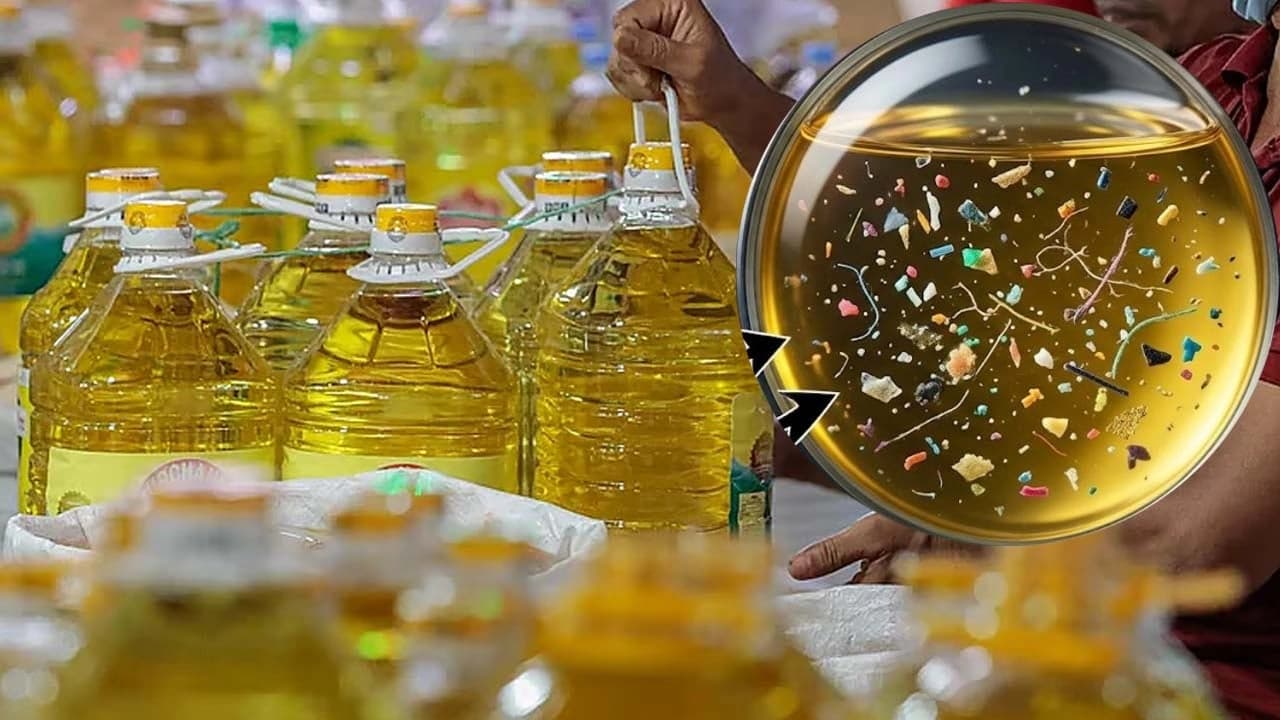

Researchers from Jahangirnagar University (JU) and the Bangladesh University of Professionals (BUP) have detected alarming levels of microplastic contamination in soybean oil sold in the country's markert, with loose oil found to contain significantly higher concentrations than bottled products.
The findings were published recently in the international scientific journal Journal of Food Composition and Analysis.
The study analysed 60 soybean oil samples collected from supermarkets and open markets in Tejgaon, Uttara and Dhaka Cantonment using advanced chemical and spectroscopic techniques.
Researchers found an average of 53,922 microplastic particles per litre of soybean oil. Loose soybean oil contained an average of 59,778 particles per litre, about 1.24 times higher than bottled oil. The highest level of contamination was detected in loose soybean oil collected from Tejgaon.
The researchers identified six types of plastic polymers in the oil: low-density polyethylene (LDPE), high-density polyethylene (HDPE), polypropylene (PP), polyethylene terephthalate (PET), polyurethane (PU) and nylon. According to the research team, the detection of polyurethane and nylon in edible oil has been documented for the first time worldwide.
About 82.5 percent of the detected microplastics were fibre-shaped. Transparent particles were the most common, while particles measuring 101 to 500 micrometres accounted for the largest share.
The researchers attributed the higher contamination in loose oil to the concentration of industrial facilities, the proximity of textile and plastic factories, and the repeated use of storage containers during handling and sale.
The study warned that long-term ingestion of microplastics could pose serious health risks, including digestive disorders, inflammation, hormonal imbalance, metabolic complications and adverse effects on reproductive health. Particles smaller than 130 micrometres may even penetrate cell membranes and enter the bloodstream.
Lead researcher Professor Dr Shafi Muhammad Tareq of Jahangirnagar University's Department of Environmental Sciences described microplastics as an emerging pollutant with potentially severe impacts on human reproductive and metabolic systems. He called for improved plastic waste management, stronger recycling systems and stricter monitoring throughout the production, processing, packaging, storage, transportation and marketing of food products.
The study also estimated that an average adult in Bangladesh may ingest around 18 microplastic particles per day, or approximately 6,441 particles annually, through soybean oil consumption. Children face a considerably higher exposure, with an estimated 77 particles per day and 28,180 particles per year because of their lower body weight. Researchers estimate that a Bangladeshi child could be exposed to more than 2 million microplastic particles over a lifetime.
The researchers recommended introducing a national monitoring system and clear regulatory standards for microplastics in food products. They also urged stricter quality control throughout the edible oil supply chain, the use of food-grade filtration systems, tighter oversight of loose oil sales and stronger plastic waste management policies.
The findings come amid growing concern over microplastic contamination in consumer products. A recent study by the Environment and Social Development Organisation (ESDO) detected microplastics in 76.5 percent of toothpaste samples collected from 19 brands marketed in Bangladesh, including several products intended for children, underscoring the need for coordinated national action to address microplastic pollution.
Leave A Comment