
Plastic pollution reaches 2 km deep in the Bay of Bengal
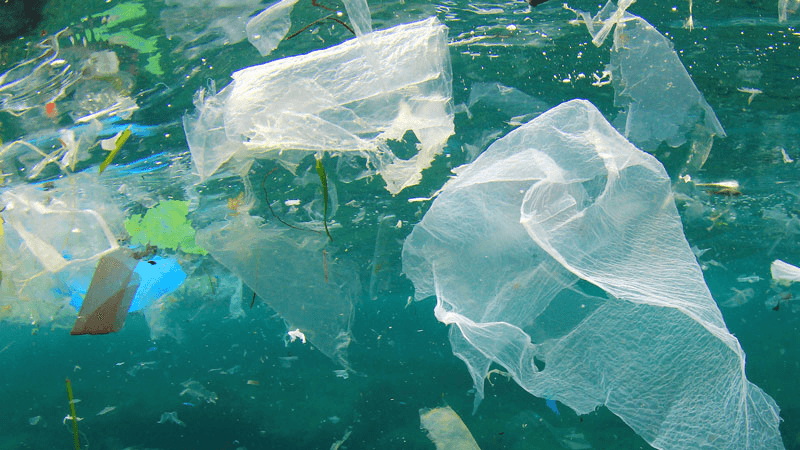

Plastic pollution has reached depths of up to 2,000 metres, two kilometres, in the Bay of Bengal, according to a recent research report, even as the survey identified 65 previously undocumented aquatic species.
The findings were presented on Tuesday, January 6, following a comprehensive survey on marine fisheries resources and ecosystems. The relevant committee formally handed over the research report at the state guest house Jamuna in the morning.
Presenting the data, Professor Sayedur Rahman said the excessive presence of jellyfish in Bangladesh’s deep sea was a sign of ecological imbalance caused by overfishing. He described the discovery of plastic waste at such depths as deeply alarming.
A comparison with a similar study conducted in 2018 shows a steady decline in large fish species in deep-sea areas, with fish stocks in shallow waters also falling at a worrying rate. Concerns were raised over the growing use of sonar fishing technology.
Fisheries adviser Farida Akhtar warned that continued targeted fishing could leave the Bay of Bengal depleted of fish, adding that the government would take a decision on sonar fishing.
The study also found a high concentration of tuna in Bangladesh’s deep-sea fishing zones and identified a fish nursery beneath the Sundarbans region.
Chief adviser Dr Muhammad Yunus said Bangladesh’s maritime area was comparable in size to its landmass, yet its marine resources had not been properly utilised or fully understood. He stressed the need for extensive research and policy support to harness these resources effectively.
He also emphasised joint research coordination with Japan, Indonesia and the Maldives, saying collaboration with international experts would help identify challenges and open new economic opportunities.
Leave A Comment
You need login first to leave a comment