
PM gives 3 directives to tackle energy crisis
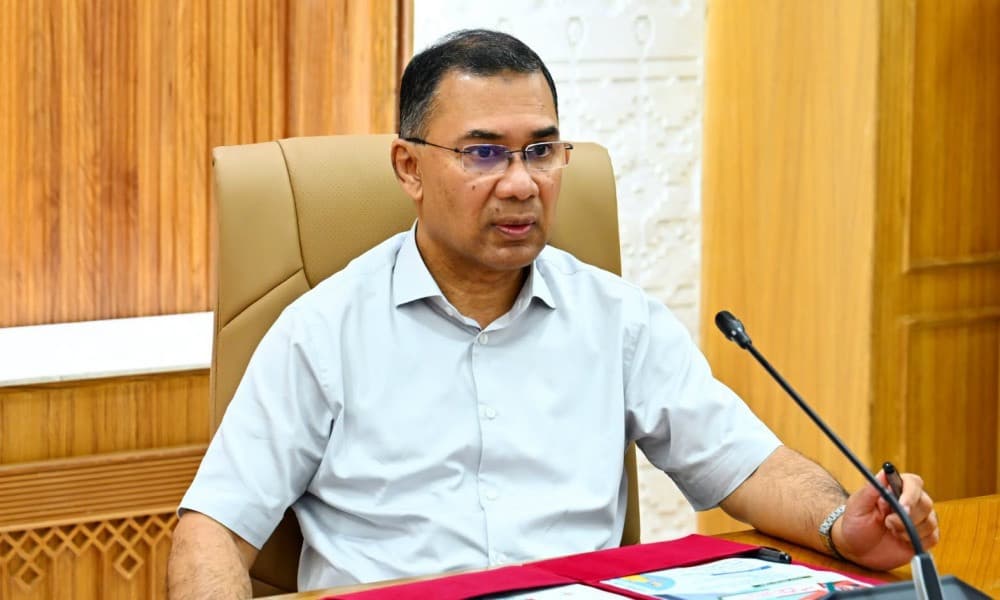

Prime Minister Tarique Rahman has issued three directives to address the energy crisis and increase the use of renewable energy. These include the gradual installation of solar panels on important government buildings, government support for importing raw materials for solar inverter production, and the formulation of an effective economic model to make solar power affordable and accessible to the general public.
The Prime Minister issued these directives at a meeting on solar energy at the Secretariat on Monday (August 3). Prime Minister's Deputy Press Secretary Hasan Shipul later confirmed the information.
According to the decisions taken at the meeting, in the first phase, solar panels will be installed gradually at Bangabhaban, the Prime Minister's Office in Tejgaon, the Jatiya Sangsad Bhaban, the Prime Minister's Office and the Ministry of Finance building at the Bangladesh Secretariat, the Planning Commission building, and other important government establishments.
The Prime Minister said that once the use of solar power begins in government buildings, public interest in adopting this technology will also increase. Therefore, this initiative must be implemented from the state level itself.
At the meeting, the Pran-RFL Group and Walton Group presented various proposals for installing solar panels on residential buildings and connecting the generated electricity to the national grid. The two companies said that if this initiative is implemented, it will not only save electricity and fuel but also create new employment opportunities.
The meeting was attended by Finance and Planning Minister Amir Khosru Mahmud Chowdhury, the Prime Minister's Adviser for Finance and Planning Rashed Al Mahmud Titumir, State Minister for Local Government, Rural Development and Cooperatives Mir Shahe Alam, Bangladesh Investment Development Authority (BIDA) Executive Chairman Ashik Chowdhury, National Board of Revenue (NBR) Acting Chairman Ahsan Habib, along with senior officials from the government and private sectors.
Leave A Comment