
RAB to be renamed, bill placed in parliament
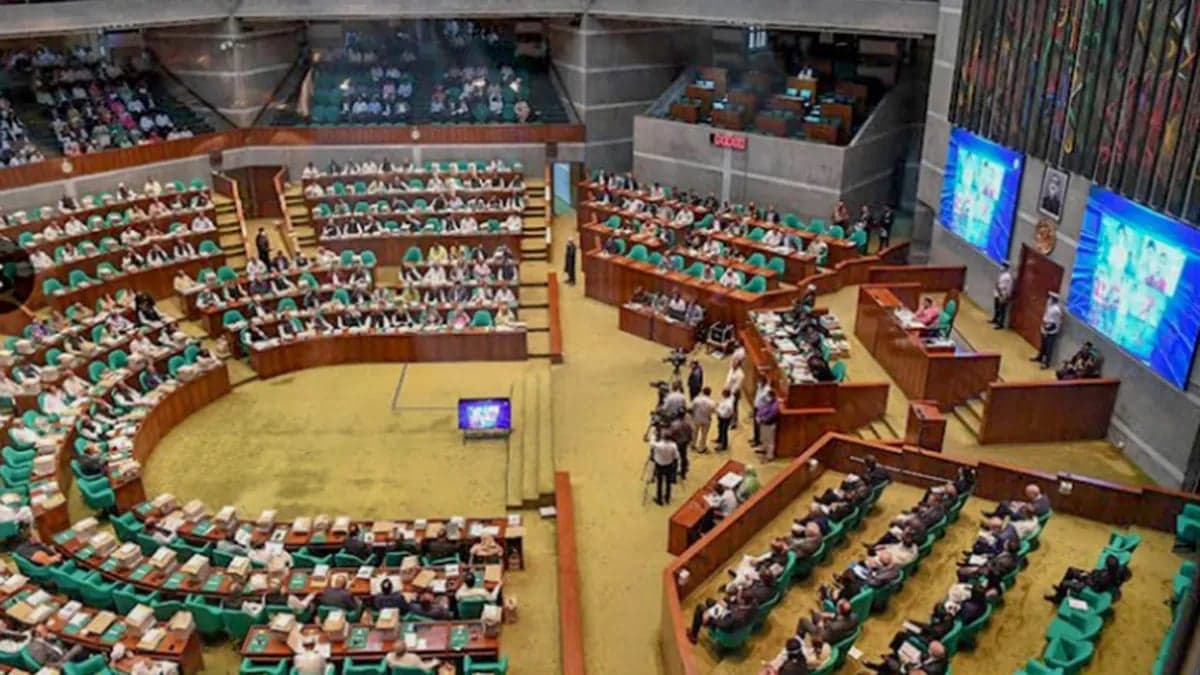

A bill has been placed in the national parliament to abolish the Rapid Action Battalion (RAB) and establish a new specialised unit called the 'Special Response Battalion (SRB)' under the police, with the introduction of the 'Special Response Battalion (SRB) Act, 2026'.
Home Minister Salahuddin Ahmed placed the bill in parliament on Thursday (September 3), the fourth day of the third session of the 13th parliament. The session was presided over by acting Speaker Barrister Kayser Kamal.
After the bill was placed, it was sent to the parliamentary standing committee on the home ministry for scrutiny. The committee was asked to report back to parliament within two working days.
Before its placement, opposition leader Dr Shafiqur Rahman and opposition chief whip Nahid Islam raised objections. They demanded more working days instead of the two-day period. Home Minister proposed four working days, which was accepted, and the bill was sent to the committee by consensus.
The bill states that a modern, professional, efficient and accountable specialised unit is needed to protect public safety, combat terrorism and organised crime, and assist the police. It also aims to ensure transparency, oversight and accountability in the unit's exercise of power.
The Act will be called the Special Response Battalion (SRB) Act, 2026. The SRB will be a specialised unit under the police force, and the government will form the unit by deploying members from the police, other disciplined forces and specified officers, armed personnel or employees. Its headquarters will be in Dhaka.
The SRB will have a Director General, appointed by the government from among officers of at least Additional Inspector General rank in Bangladesh Police. The DG will exercise administrative, financial and operational authority.
The SRB's duties include protecting public safety, combating terrorism and organised crime, recovering illegal arms and explosives, and taking action against drugs, cybercrime, disappearances and land piracy. It will also take action against offences including violence against women and children, rape, human trafficking, abduction and other crimes against humanity, collect intelligence and assist other law enforcement agencies. The unit can investigate crimes as directed by the court, government or Inspector General of Police.
The SRB will have powers of entry, search, seizure and arrest, but must comply with the Code of Criminal Procedure and other existing laws. Officers of at least Sub-Inspector rank can exercise powers of investigation. Arrested persons or seized evidence must be handed over to the nearest police station without delay.
Disciplinary violations include being drunk on duty, assaulting colleagues, leaving post without permission, escaping custody, disobeying orders, and involvement in gambling or illegal drugs. Major punishments include dismissal, removal, compulsory retirement, demotion and withholding of increments, while minor punishments include fines up to one month's pay, reprimand, detention and extra duties. Members can appeal against departmental orders within 30 days to the DG or Inspector General of Police.
A complaint redress committee will be formed to address complaints and grievances, including a judicial official and a human rights expert. It can investigate and recommend action.
Upon enactment, the provisions related to RAB will be repealed. All personnel, assets, funds and records of RAB will be transferred to the SRB.
The bill's statement of objectives said the evolving nature of crime and new challenges to national security require a specialised, rapid-response unit. It emphasised ensuring the rule of law, human rights, transparency and accountability in the unit's operations.
Leave A Comment