
What legal consequences could Gazi Nazrul face over 'moral misconduct' allegation?
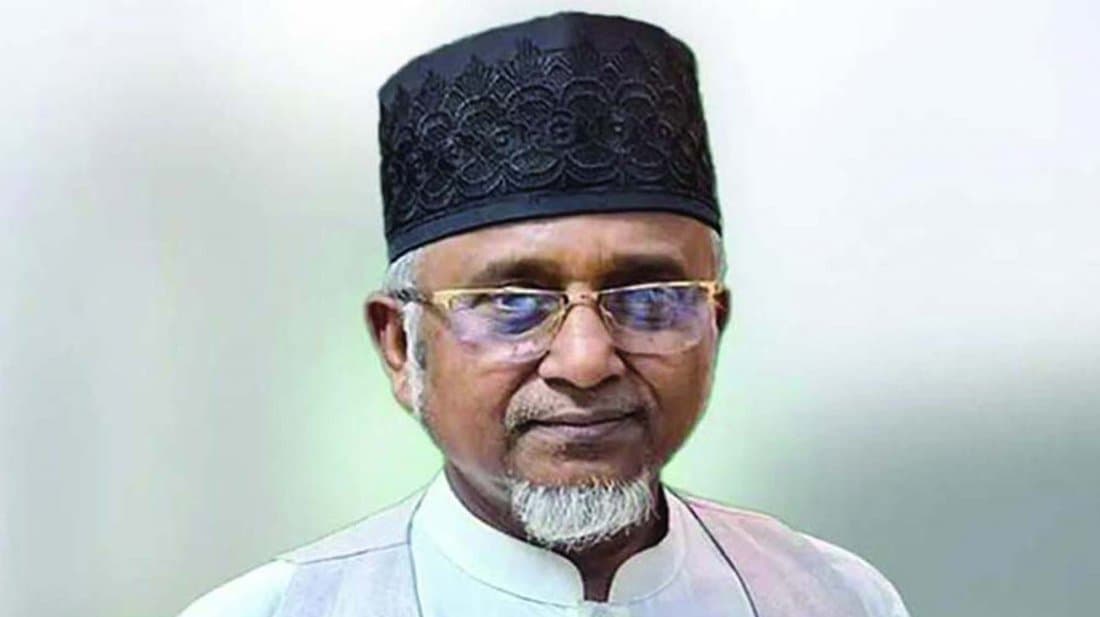

Following the expulsion of Satkhira-4 MP Gazi Nazrul Islam from Bangladesh Jamaat-e-Islami over allegations of "moral misconduct", questions have emerged over whether he could face any legal consequences. Could he lose his parliamentary seat, or be prosecuted under criminal law?
Legal experts say that "moral misconduct" is not a distinct criminal offence under Bangladeshi law. As such, a finding of moral misconduct in an internal party investigation or expulsion from a political party does not, by itself, result in any state-imposed punishment or automatic loss of a parliamentary seat.
Speaking to BBC Bangla, Supreme Court lawyer Dr Shahdeen Malik said expulsion from a political party and disqualification from Parliament are two separate matters. Under Article 70 of the Constitution, an MP may lose their seat if they resign from the party that nominated them or vote against the party in Parliament. A parliamentary seat may also become vacant if a court ruling creates a legal disqualification under the Constitution.
He added that a consensual private relationship between two adults is not a criminal offence under Bangladeshi law. However, if allegations involving coercion, fraud, forgery, blackmail or any other criminal offence are proven, legal action may be taken.
Another Supreme Court lawyer, Manzill Murshid, told BBC Bangla that the viral video itself is not the determining legal issue. Rather, any proven breach of the law arising from the incident would be subject to judicial scrutiny. Whether legal requirements were followed in relation to an alleged second marriage would also be a matter for investigation.
Under the Muslim Family Laws Ordinance, 1961, a Muslim man must obtain prior permission from the relevant Arbitration Council before entering into a second marriage while his first wife is still alive. Failure to obtain such permission does not automatically invalidate the marriage, but it may expose the individual to legal penalties. In a recent ruling, the High Court also clarified that approval from the Arbitration Council, rather than the first wife's direct consent, is the key legal requirement.
Meanwhile, Gazi Nazrul Islam has claimed that the woman seen in the viral videos is his legally married second wife. The same claim has been made by his first wife and by the woman's family. However, controversy has arisen over the marriage registration document. The registrar involved has reportedly told local media that the marriage deed was prepared later while using an earlier date. If this allegation is proven, it could give rise to offences such as document forgery, although this remains subject to investigation.
Legal experts also note that if it is established that the private videos were secretly recorded or unlawfully obtained before being circulated on social media, those responsible for distributing the footage could themselves face legal action under laws relating to privacy violations, digital offences or other applicable legislation.
Overall, legal experts say that, based on the information currently available, the most significant consequence Gazi Nazrul Islam has faced so far is political—his expulsion from Jamaat-e-Islami. Whether he will face any criminal prosecution or constitutional consequences will depend on the outcome of future investigations and any subsequent court rulings.
Leave A Comment