
World's most severe measles situation in Bangladesh: Reuters report
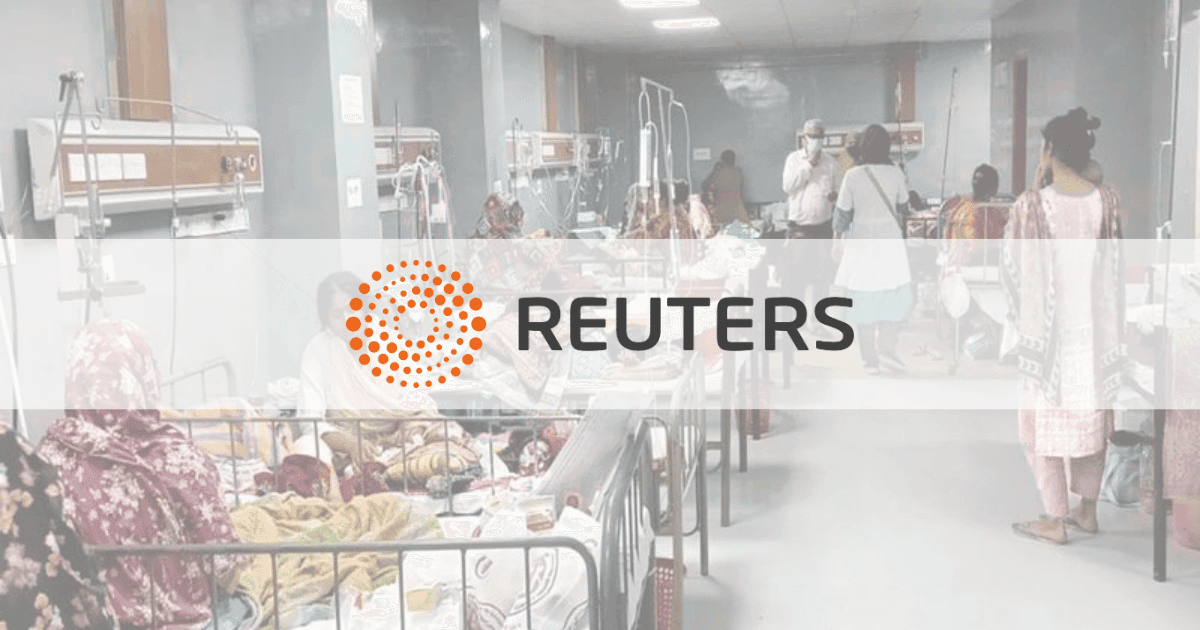

Bangladesh, once on the verge of eliminating measles, is now facing a severe outbreak due to disruptions in the regular vaccination programme, shortages in vaccine supply and weaknesses in the programme. Since the fresh spread of infection in March, the number of deaths from measles and measles symptoms has reached 999, according to the latest Reuters report.
The Directorate General of Health Services’ latest data show that 166,461 people have been identified with measles symptoms in the country since March 15. Of them, laboratory confirmation of measles has been made for 19,835. In the same period, 146,359 people with measles symptoms were admitted to hospital. Of these, 140,850 recovered after treatment and returned home.
Among the dead, 899 died with measles symptoms while 100 died of laboratory-confirmed measles. Two more children died in the last 24 hours, taking the combined death toll to 999. This situation is being described as the most severe measles outbreak in Bangladesh’s history.
Reuters’ report said Bangladesh is currently experiencing the world’s largest measles outbreak. The US Centres for Disease Control and Prevention has also identified Bangladesh’s outbreak as the largest in the world. Experts said disruptions to the regular vaccination programme during the political unrest in 2024 and 2025 left a huge number of children without vaccine protection.
Children under five are at the highest risk. At the start of the outbreak nearly 80 percent of those infected were in this age group. Infants under nine months are also at risk of infection before they come under the regular measles vaccine schedule. Experts believe this “immunity gap” created by vaccination shortfalls is one of the main reasons for the spread of infection.
Bangladesh had made significant progress in measles prevention over the past decade. Although there was some disruption during the Covid-19 pandemic, measles vaccine coverage remained close to or above the 95 percent recommended by the World Health Organization for most of the period. However, subsequent shortfalls in regular vaccination have placed that progress under major challenge.
To tackle the crisis the government launched an emergency measles-rubella vaccination campaign across the country from April. The initial target was to vaccinate around 18 million children aged six months to under five, but more than 19.7 million children were eventually vaccinated. Experts said an emergency programme alone cannot control the long-term situation. Strengthening the regular vaccination programme as well as a “catch-up” campaign for children who missed earlier doses is also necessary.
Alongside the measles outbreak, the rising prevalence of dengue has further increased pressure on the country’s health system. From the beginning of September the number of dengue admissions and deaths was rising rapidly. Hospitals are facing shortages of beds, medical equipment and essential supplies while dealing with large numbers of measles-affected children on one hand and dengue patients on the other.
Crowds of measles-affected children are also increasing at various hospitals in the capital. In some places patients several times the number of designated beds are being treated even on the floor. Shortages of saline needed for children’s treatment have also been reported. As a result patients’ relatives are suffering along with doctors and health workers.
Experts said rapid filling of vaccination gaps, expanding the coverage of the regular programme, ensuring vaccine supply and identifying and bringing missed children under vaccination are urgent to manage the situation. At the same time, raising awareness among guardians and increasing the capacity of hospitals are essential; otherwise the impact of the outbreak may be prolonged further. Health experts have reminded that two doses of measles vaccine can provide effective protection against this highly infectious disease.+
Leave A Comment