
Politics and Bureaucracy
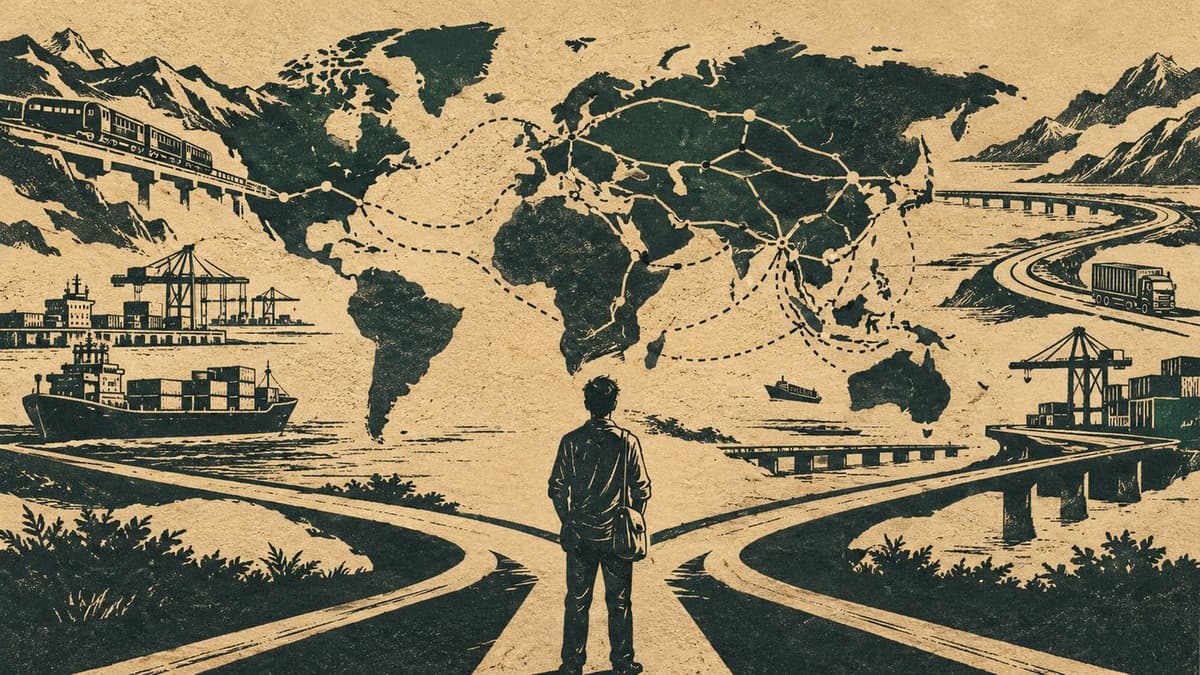
The world builds corridors but we stands at the crossroads
Spread out a map of the world today, and it looks rather like a sprawling house undergoing renovation. Someone is cutting through mountains to lay railway tracks, someone is building roads across the desert, someone else is connecting one port to another. China is expanding its routes to Europe. India is planning a passage west through the Arabian Peninsula. Kazakhstan, Türkiye and Laos are all busy drawing more trade through their own backyards. Bangladesh stands at a crossroads surrounded by possibilities. Only the destination of our own journey remains unclear.
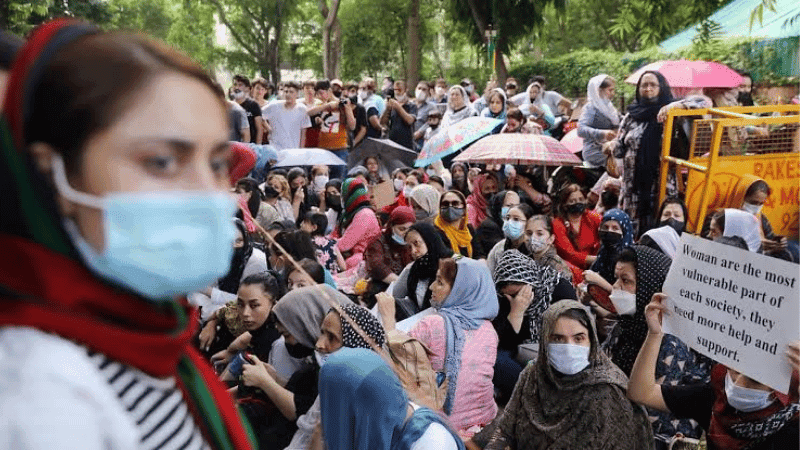
Afghan refugees are left huddled at the feet of democracy
On August 16, 2021, the Taliban captured Kabul just a day prior. The last stage of the US military's withdrawal was still in progress. At Hamid Karzai International Airport, events transpired that day which appeared to challenge any straightforward characterization of disorder.

Nepal's disaster diplomacy: How a Himalayan catastrophe became a political battleground
On the morning of August 26, 2026, a massive glacier and rock collapse near the Nepal-Tibet border unleashed a wall of water down the Bhotekoshi and Trishuli river systems, obliterating villages, hydropower plants, and the Gyirong border crossing with China. More than a week later, Nepal's death toll has climbed past 1,300, with thousands still unaccounted for — making it the country's deadliest disaster since the 2015 earthquake that killed roughly 9,000 people. But beyond the human tragedy, the flood has become entangled with Nepal's fragile post-uprising politics, its relationship with global powers, and a young, still-untested government's fight to control the narrative.

A fresh geography lesson for Bangladesh
The world is deeply unsettled. Everywhere, the drums of war are beating, the balance of power is shifting, and old maps are being redrawn. Maps, too, have a silent language. In times of peace, a desert, a mountain range or a landlocked region may appear to be little more than coloured patches on a page. But when war breaks out, their value is reassessed. A port is no longer merely a port; a railway becomes a strategic asset; a strait becomes a vital artery for global energy supplies; and a neighbouring country can suddenly become a market, a corridor or a security buffer.
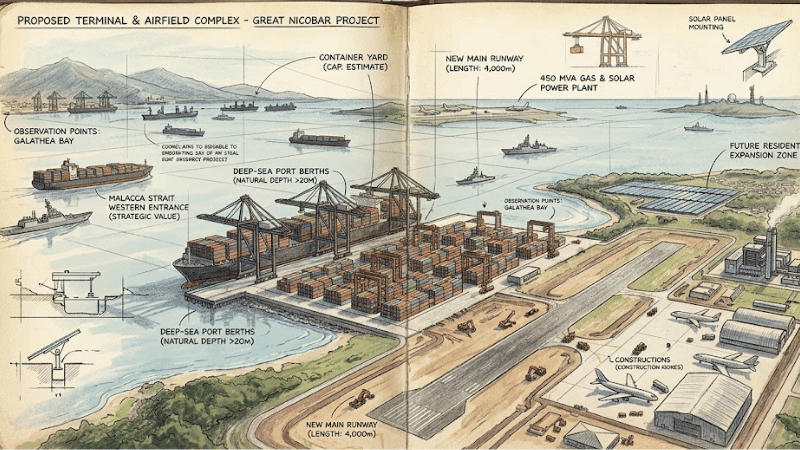
Ports on sea, shadow of power on horizon
Vast in size but calm by nature. Seen from afar, the Indian Ocean may appear that way. Blue waters. Long maritime routes. Rows of commercial vessels. But over the past decade, the picture has changed. Major construction projects have begun across the ocean. Deep-sea ports in some places. Long runways in others. Military bases elsewhere.
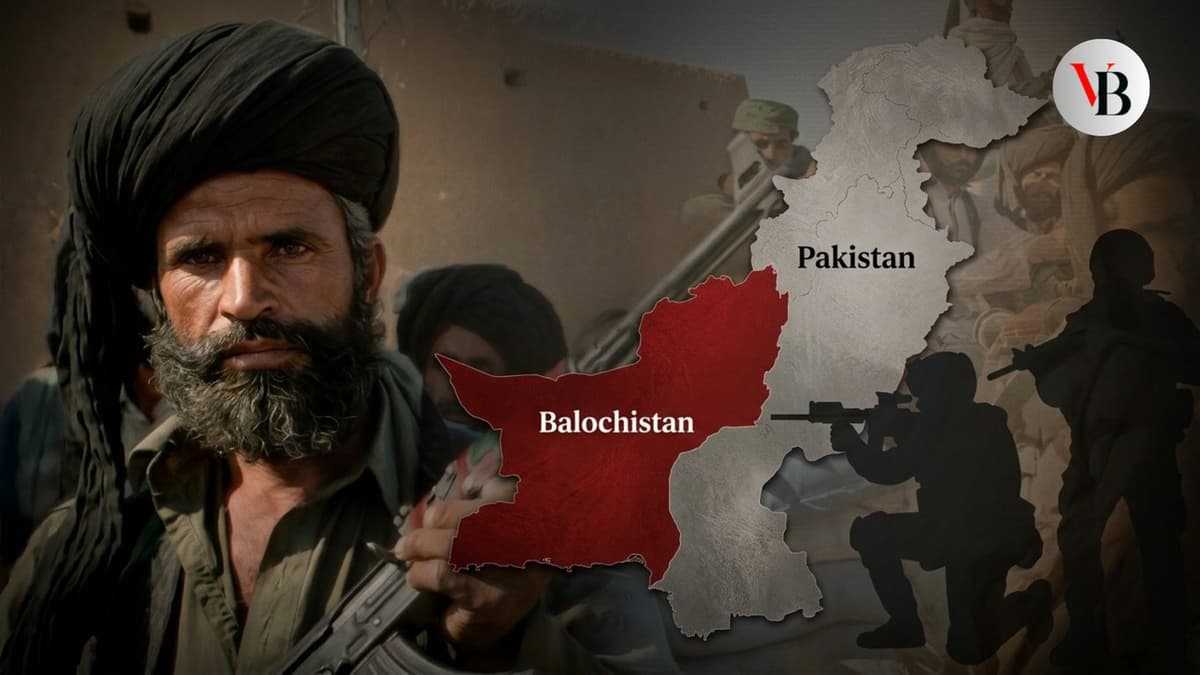
Balochistan under shadow of 1971: Map changes, strategy doesn't
In the official narrative of Pakistan, the term "peace" is associated with a troubling history. Elections occur, parliament convenes, and prime ministers are sworn in; however, alongside political authority looms an unseen presence—the military chief of the country, whose sway often surpasses that of the elected prime minister. When political ties between the central government and a peripheral region deteriorate, the discourse of dialogue is swiftly supplanted by the discourse of security.
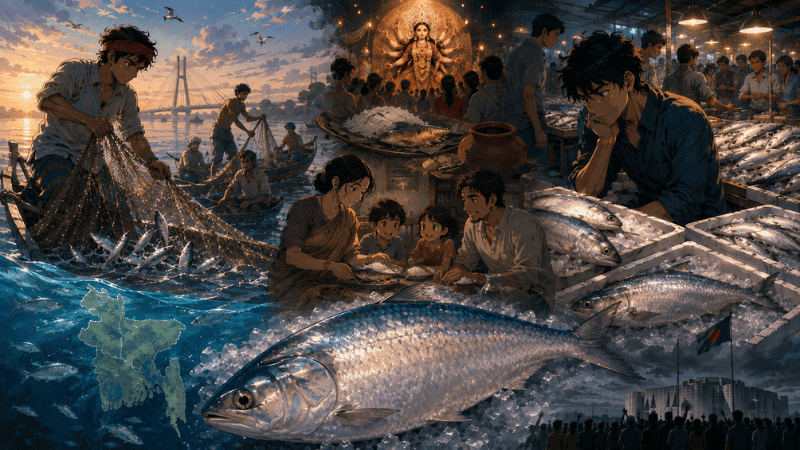
Politics of hilsa: Rumours, silence and reality
In October 2025, just before Durga Puja, the price of a one-kilogram hilsa rose to around Tk2,900 at Dhaka’s Karwan Bazar. Yet the fisherman who spends night after night casting his net in the Meghna estuary often cannot afford to put even a piece of hilsa on his own children’s plates for months on end.
President of Bangladesh: Limited powers, extensive privileges
Voting to elect Bangladesh's 23rd President is taking place today, Thursday. Polling will be held in the National Parliament chamber from 2pm to 5pm. However, with the ruling BNP holding more than a two-thirds majority in Parliament, the election is largely expected to be a formality. The numbers suggest that Mirza Fakhrul Islam Alamgir, the BNP's recently retired Secretary General and the party's candidate, is set to become President.
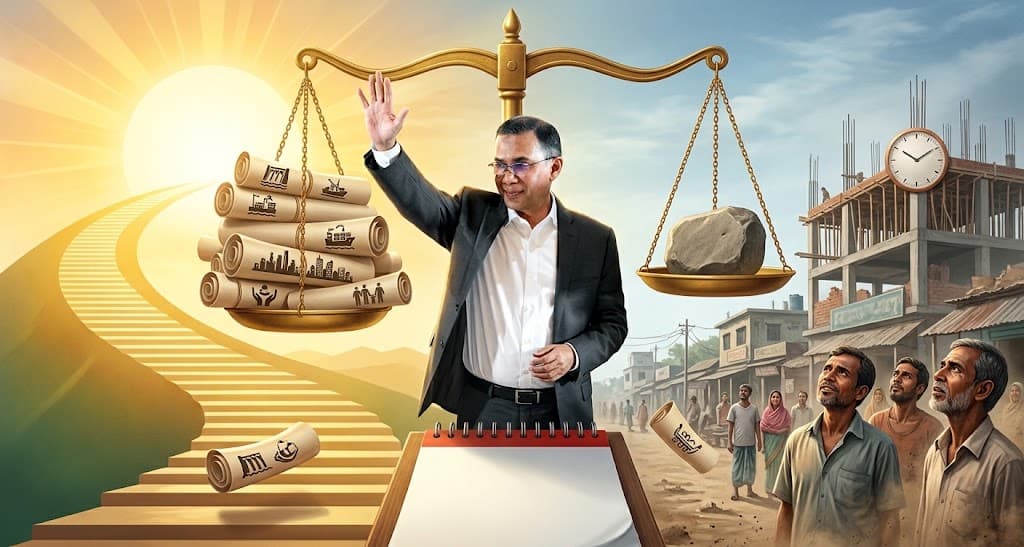
Six months of BNP government: Promises under weight of reality
Tarique Rahman took oath as prime minister on 17 February. Exactly six months, or 180 days, have passed since then. In numerical terms, six months may seem like a relatively short period, but for a state, such a span can sometimes feel as weighty as a decade.
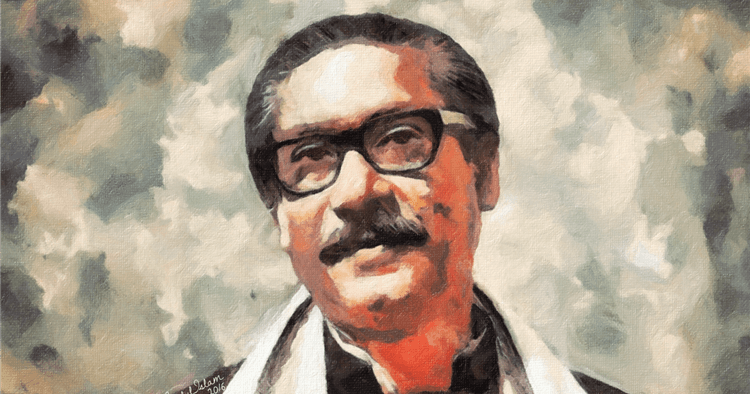
Bhutto’s attempt to reunite broken Pakistan
In the last week of June 1974, Pakistani Prime Minister Zulfikar Ali Bhutto visited Dhaka. Although visiting the Savar National Memorial was part of the official protocol, Bhutto initially expressed his unwillingness to go there. However, under the firm insistence of Bangabandhu Sheikh Mujibur Rahman, Bhutto was compelled to visit the memorial to pay tribute to those who had been martyred in 1971. Yet the shrewd Bhutto did not go to the memorial in formal attire; he went wearing a T-shirt and a golf cap. He objected to the playing of a bugle, the laying of wreaths and a gun salute.